
Emergency Dentistry in Kokomo, IN
When a dental problem happens unexpectedly, getting the right care quickly can make all the difference. Family Practice Dentistry provides emergency dentistry in Kokomo, IN, for patients experiencing sudden tooth pain, dental injuries, swelling, or other urgent concerns. Whether you’ve chipped a tooth while eating, woken up with intense tooth pain, or injured a tooth during sports, our team is here to evaluate the problem and help you find relief.
If you’re searching for an emergency dentist near me, you want a dental office that understands you may be uncomfortable, worried, or unsure about what to do next. Our Kokomo dental team takes the time to listen to your concerns, assess your condition, and explain your treatment options clearly.
As a local emergency dentist, we focus on making urgent dental care as straightforward and comfortable as possible. From your first call to your evaluation and treatment, we’ll help you understand the next steps and determine the appropriate care for your situation. If you need an emergency dental care in Kokomo, our team is ready to help you address your dental concern and protect your oral health.
Have a dental concern or need an appointment? Contact Family Practice Dentistry at 765-453-0085 to get started with your care.
Need Dental Services?
Call: 765-453-0085Opening Hours : 8am - 5pm
Monday, Tuesday, WednesdayAddress
2705 S Berkley Rd Ste 3B, Kokomo, IN 46902, USAWhat Counts as a Dental Emergency?
Not every dental problem requires immediate treatment, but some symptoms should not be ignored. A dental emergency generally involves significant pain, bleeding, swelling, injury, or damage to a tooth that may worsen without timely care. Depending on the situation, same-day evaluation may be recommended to protect the tooth and prevent the problem from becoming more serious.
You may need emergency dental care if you experience:
Some symptoms may appear suddenly, while others can develop gradually as an existing dental problem becomes worse. Understanding these warning signs can help you recognize when a problem may require emergency dental care rather than waiting for a routine dental visit.
What to Do Right Now (First-Aid / Immediate Steps)
Knowing what to do in the first few minutes of a dental emergency can help protect the affected tooth and reduce discomfort while you arrange professional care. The right first-aid steps can vary depending on the type of injury or symptoms you are experiencing.
If a Tooth Has Been Knocked Out
- Pick up the tooth by the crown, the visible part of the tooth, and avoid touching the root.
- Gently rinse the tooth with water if needed, but do not scrub it or remove any attached tissue.
- If it is a permanent tooth, gently place it back into the socket if you can do so comfortably.
- If you cannot place it back, keep the tooth moist in a clean container filled with milk until you receive care.
- Avoid letting the tooth dry out, and seek dental care as soon as possible because timing is important.
If Your Mouth Is Bleeding
- Place clean gauze or a clean cloth over the area and apply gentle, steady pressure.
- Keep the pressure in place without repeatedly removing the gauze to check the area.
- Sit upright rather than lying flat while the bleeding continues.
- If bleeding is heavy or does not stop with pressure, seek urgent medical attention.
If You Have Facial or Gum Swelling
- Apply a cold compress to the outside of your cheek for short intervals to help reduce swelling.
- Wrap ice in a clean cloth before applying it to your skin, and avoid placing ice directly on your cheek.
- Avoid applying heat to the swollen area, as warmth may increase blood flow and make swelling worse.
- If swelling makes it difficult to breathe or swallow, seek emergency medical attention rather than waiting for dental care.
If You Have Severe Tooth Pain
- Gently rinse your mouth with warm water to help clean the area and remove any loose debris.
- If food is stuck between your teeth, carefully use dental floss to remove it without irritating your gums.
- Do not place aspirin or other medication directly against the tooth or gums, as this may irritate or damage the tissue.
- If you use an over-the-counter pain reliever, follow the package directions unless a healthcare professional has advised you otherwise.
These immediate steps are intended to help protect your mouth until you can receive appropriate care. They do not replace a professional evaluation, particularly when there is significant pain, swelling, bleeding, or a dental injury.
Do I Need an Emergency Dentist or Can I Wait?
It is not always easy to know whether a dental problem needs immediate attention or can wait for a regular appointment. As a general guide, a knocked-out tooth, uncontrolled bleeding, significant swelling, or severe and persistent pain may require emergency dental care. These problems can sometimes become more serious when treatment is delayed.On the other hand, some concerns may not require same-day attention. A small chip without pain, mild sensitivity, or a minor dental issue can often be addressed during a routine appointment. However, even seemingly minor problems should be monitored, especially if symptoms change or become worse. If you are unsure about the urgency of your symptoms, it is best to have the problem evaluated rather than waiting for it to resolve on its own. A dental professional can assess your symptoms, identify the cause, and determine whether you need emergency dental care or whether the issue can be treated during a regular appointment.
Emergency Dental Problems We Treat
Dental emergencies can involve different types of problems, and the appropriate care depends on what is causing your symptoms. Our emergency dental services can help evaluate concerns involving damaged teeth, dental restorations, infections, injuries, and unexpected complications.
We may provide care for concerns such as:
Damaged teeth
evaluation of teeth affected by accidents, biting injuries, or sudden damage.
Dental infections
assessment of infections that may affect a tooth, gums, or surrounding tissues.
Damaged restorations
care for fillings, crowns, or other restorations that have become loose, damaged, or uncomfortable.
Denture problems
evaluation of broken, damaged, or uncomfortable dentures that interfere with normal use.
Post-treatment concerns
evaluation of unexpected pain or discomfort following a recent dental procedure.
Dental injuries
assessment of trauma affecting the teeth or other areas of the mouth.
Treatment will depend on the condition of the affected area and the extent of the problem. After an evaluation, the appropriate emergency dental treatment can be recommended based on your individual needs.
How We Handle Emergency Visits
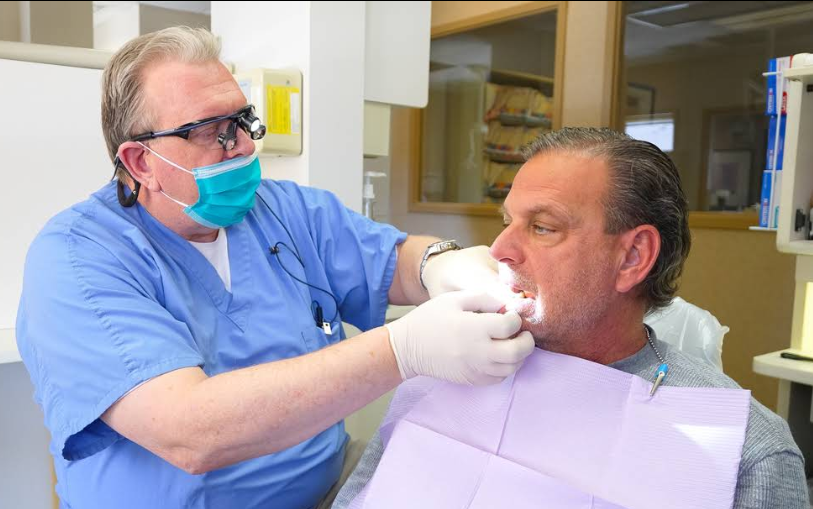
Dental emergencies can be stressful, especially when you are in pain or unsure about what to do next. At Family Practice Dentistry, we take a calm, patient-focused approach to urgent dental concerns.
From the first conversation with our office through your evaluation and treatment, we focus on helping you feel comfortable, informed, and cared for.
We Start by Listening
When you contact our office, we first want to understand what you are experiencing. We may ask about your symptoms, level of pain, swelling, bleeding, recent dental treatment, or whether an injury caused the problem. This information helps us understand your situation and determine how quickly you may need to be seen.
We Make the Process Clear
When you are dealing with a dental emergency, you may already have enough to worry about. We aim to keep the process straightforward by explaining what to expect and answering your questions along the way. Our team takes the time to listen to your concerns rather than rushing through the conversation.
We Evaluate the Cause
During your visit, we carefully examine the affected area to understand what may be causing your symptoms. Depending on the situation, dental X-rays or other diagnostic steps may be recommended. A thorough evaluation helps us determine the condition of the tooth, gums, and surrounding structures.
We Explain Your Treatment Options
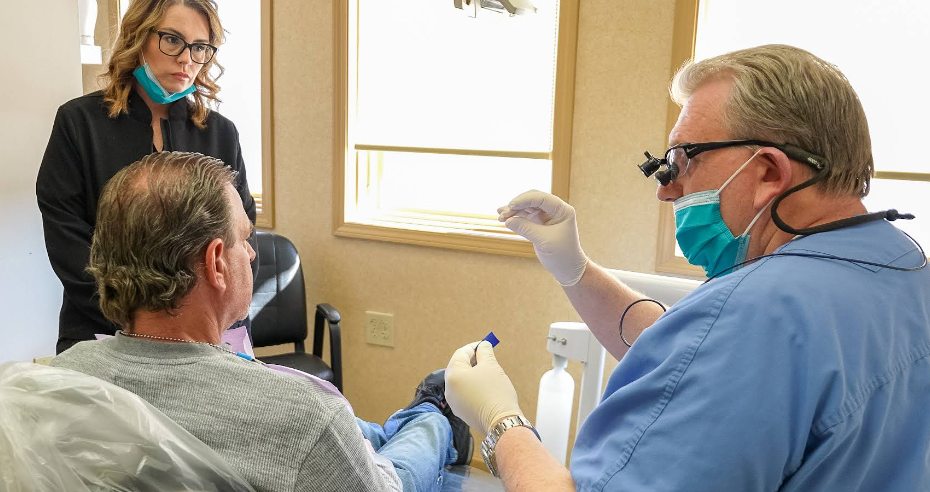
Once we understand the problem, we explain our findings in clear, easy-to-understand language. We discuss the available emergency dental treatment options and why a particular approach may be recommended. Our goal is for you to understand your condition and feel comfortable with the next steps in your care.
We Focus on Your Comfort
Pain and anxiety can make a dental emergency feel even more overwhelming. We provide a supportive, family-friendly environment where you can ask questions and express your concerns. Whenever possible, we take steps to make your visit as comfortable as we can while addressing the urgent dental problem.
We Address the Immediate Concern
Emergency care focuses first on getting the immediate problem under control. Depending on your condition, treatment may involve addressing pain, infection, damaged teeth, or another urgent concern. If additional treatment is needed, we explain what may be involved and how it can help protect your long-term oral health.
What You Can Expect From Our Approach
Every emergency is different, so your evaluation and treatment will depend on the nature and severity of your dental concern. Our approach is centered on providing clear communication, personalized care, and a comfortable experience while helping you take the next step toward a healthier smile.
New to Our Practice? Here’s What to Expect
If this is your first visit to Family Practice Dentistry, you may have questions about what to bring, what happens during your appointment, or how emergency care works. You do not need to know exactly what is wrong before you come in. Simply explain what you are experiencing, and the dental team can help determine the appropriate next step.
What to Bring
If applicable, bring your insurance information, a list of medications you take, and details about any recent dental treatment or injury. If you have dental records or X-rays from another office that may be relevant, those can also be helpful.
What If I'm Nervous?
Feeling anxious during a dental emergency is understandable. Pain, uncertainty, and an unexpected visit can make the experience more stressful. Let the dental team know how you are feeling so your concerns can be addressed throughout the visit.
What Happens After Emergency Care?
The immediate concern may be addressed first, but some dental problems require additional treatment. If follow-up care is needed, you can discuss the recommended treatment, timing, and options with the dental team.
Questions Are Welcome
You should feel comfortable asking questions about your condition, recommended treatment, costs, or what to expect next. Clear communication can help you feel more informed and comfortable with your dental care.
Emergency Dental Treatments Available
The treatment recommended during an emergency visit depends on the condition of your tooth, gums, or surrounding tissues. After evaluating the problem, we can determine which treatment is appropriate and whether additional care may be needed later.
Urgent Tooth Extraction
If a tooth is severely damaged, infected, or cannot be repaired, emergency tooth extraction may be recommended. At Family Practice Dentistry, we’ll determine whether extraction is needed or if the tooth can be saved.
Temporary or Permanent Fillings
A damaged or decayed tooth may need a filling to restore its structure, function, and comfort. Depending on the condition of the tooth, a temporary or permanent filling may be recommended as part of your treatment.
Tooth Splinting or Repositioning
Teeth that become loose or displaced after an injury may sometimes be repositioned and stabilized to support healing. Splinting can help hold the affected tooth in place while the surrounding gums and tissues recover.
Crown or Filling Replacement
A loose or damaged crown or filling can leave the underlying tooth exposed and vulnerable. Depending on the condition of the restoration and tooth, it may be repaired or replaced to restore protection and function.
Infection and Abscess Treatment
A dental infection or abscess may require treatment to address the source of the infection. Depending on the tooth and severity of the infection, treatment may include drainage, root canal therapy, or another appropriate approach.
Denture and Appliance Repair
A damaged denture or dental appliance can make eating, speaking, and everyday activities uncomfortable. When possible, repair or adjustment can help restore proper fit and function.
Emergency Dentist for Severe Tooth Pain
Severe tooth pain can come on suddenly and make it difficult to eat, sleep, or go about your normal day. The cause may be something such as deep tooth decay, a cracked or damaged tooth, an irritated nerve, or an infection. Because similar symptoms can have different causes, an examination is important for understanding what is actually happening. During your visit, we’ll ask about your symptoms, examine the painful area, and may take digital X-rays when needed. This helps us identify the source of the pain and determine the condition of the affected tooth. Treatment will depend on what we find. A filling may be enough for some problems, while a more involved issue may require root canal therapy or another treatment. The recommended approach will be based on the condition of your tooth and the cause of your symptoms. Severe tooth pain should not be something you simply have to tolerate until your next routine dental appointment. Timely evaluation can help identify the problem and determine the appropriate care.
Emergency Care for Broken or Knocked-Out Teeth
A tooth that has been knocked out, chipped, cracked, or broken should be evaluated as soon as possible. Timely care is especially important when a permanent tooth has been completely knocked out, as the chances of saving it are generally better when treatment is received quickly. If a tooth has been knocked out, handle it carefully by the crown rather than the root. If it can be placed back into the socket safely, this may help preserve the tooth. If that is not possible, keeping the tooth moist in milk can help protect it until you receive professional care. During your visit, the affected tooth and surrounding tissues will be examined to determine the extent of the injury. Depending on the damage, treatment may include repositioning and stabilizing the tooth, repairing it with bonding or a crown, or, when the tooth cannot be saved, emergency tooth extraction. The appropriate treatment will depend on the type and severity of the injury, as well as the condition of the tooth and surrounding tissues.
Emergency Care for Tooth Infection & Abscess
A tooth infection or dental abscess can cause ongoing tooth pain, tenderness, swelling, or an unpleasant taste in your mouth. These symptoms can develop when bacteria reach the inner part of the tooth or the surrounding tissues. Because a dental infection may continue to worsen without treatment, it is important to have it evaluated promptly.
Common signs of an infection or abscess may include:
Treatment depends on the source of the infection and the condition of the affected tooth. Depending on the situation, care may include draining an abscess, root canal therapy to treat the infected tooth, or an extraction when the tooth cannot be restored. Early emergency dental care can help address the source of the infection before the problem becomes more extensive. If swelling spreads to the face or neck, or you have difficulty breathing or swallowing, seek emergency medical attention immediately.

Why Choose Us for Emergency Care
When a dental emergency happens, having a dental team you can trust can make the experience less stressful. At Family Practice Dentistry, we combine attentive care, modern technology, and clear communication to help patients feel comfortable while addressing urgent dental concerns.