
Tooth Extraction in Kokomo, IN
A tooth that is badly damaged, infected, decayed, or broken can cause pain and make normal activities difficult. Eating, speaking, and sleeping may become uncomfortable. Sometimes, a tooth can still be repaired with a filling, crown, or root canal therapy. When the damage is too severe to restore, removing the tooth may be the better choice for your oral health.
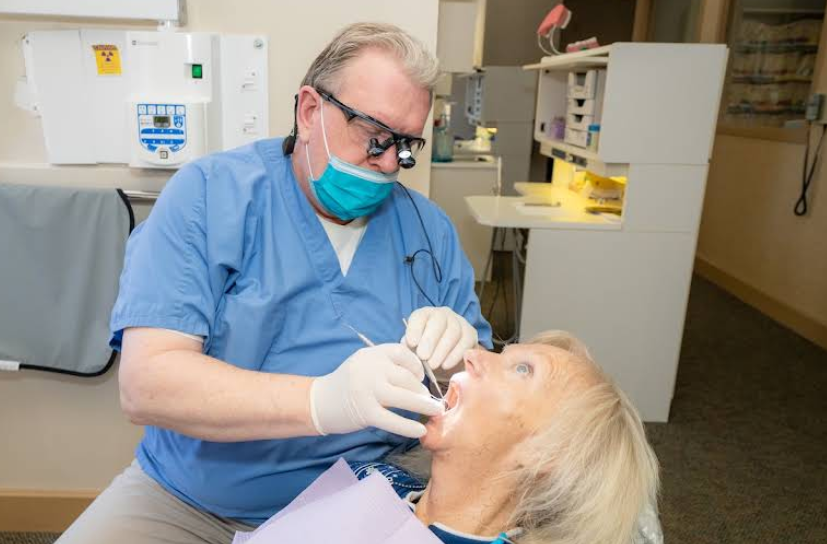
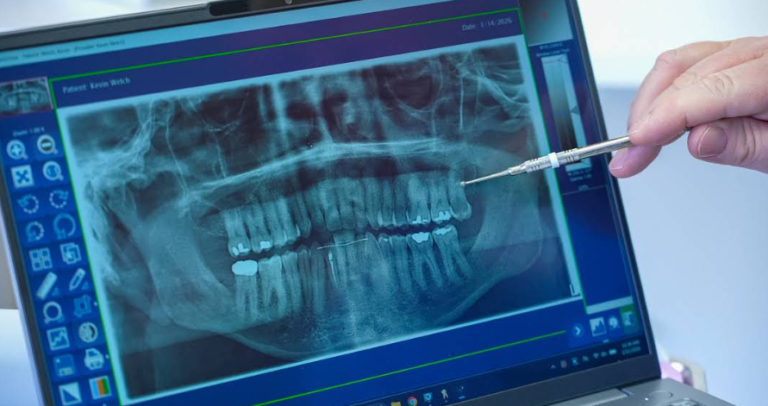
Before recommending treatment, a tooth extraction dentist carefully examines the tooth, gums, and nearby area. Digital X-rays may be used to check the roots, bone, and other structures around the tooth. This helps determine whether the tooth can be saved or whether removal is needed. The dentist will also explain the reason for the procedure and answer your questions before treatment begins.
For patients in Kokomo, Family Practice Dentistry provides tooth extraction services for teeth that are too damaged to repair or need to be removed because of a dental problem. Dr. Kevin J. Welch, DDS, is an experienced tooth extraction specialist with more than 20 years of dental experience. He takes time to evaluate each tooth, discuss the available options, and explain what to expect before, during, and after the procedure. His approach focuses on providing appropriate treatment based on each patient’s individual needs. If you need a dentist for tooth extraction in Kokomo, IN, you can schedule an evaluation with Family Practice Dentistry. Whether you have a severely broken tooth, advanced decay, an infection, or another problem that may require removal, the dental team can review your condition and help you understand the available options.
Have a tooth that may need to be removed? Call 765-453-0085 to schedule a dental evaluation in Kokomo, Indiana.

Need Dental Services?
Call: 765-453-0085Opening Hours : 8am - 5pm
Monday, Tuesday, WednesdayAddress
2705 S Berkley Rd Ste 3B, Kokomo, IN 46902, USA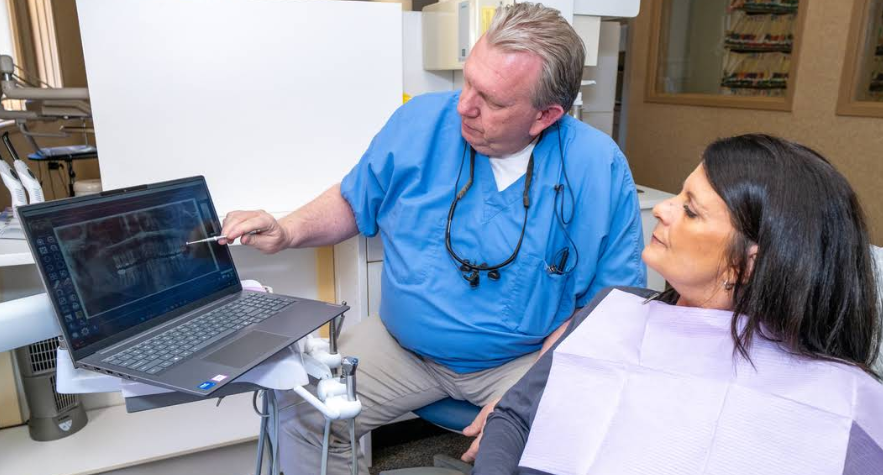

Why Is Tooth Extraction Performed?
A dentist may recommend tooth removal when a tooth is too damaged, infected, loose, or otherwise compromised to be restored successfully. The decision is based on the condition of the tooth and the health of the surrounding gums and bone. Common reasons for extraction include:
- Severe tooth decay: Extensive decay can leave too little healthy tooth structure for a filling or crown.
- A badly broken tooth: A fracture that extends deep into the tooth or below the gumline may make restoration difficult.
- Dental infection: Some infected teeth can be treated with root canal therapy, while others may be too damaged to save.
- Advanced gum disease: Significant bone and gum support loss can cause a tooth to become loose.
- Crowding: Removing a tooth may sometimes be part of an orthodontic or restorative treatment plan.
- Impacted teeth: A tooth that cannot properly erupt may cause pain, inflammation, or problems for nearby teeth.
- Wisdom teeth: Problematic wisdom teeth may require removal when they are impacted, repeatedly inflamed, or difficult to keep clean.
Before recommending tooth removal, the dentist will check whether the natural tooth can be saved with another treatment. Digital X-rays may also be used to get a clearer view of the tooth and surrounding bone. Tooth removal by a dentist may be recommended when the tooth is too damaged, weak, or unhealthy to restore properly. The goal is to choose the treatment that best supports your oral health and helps avoid further problems.
Do I Need an Extraction If My Tooth Is Broken?
Not every broken tooth needs to be removed. The type, size, and location of the damage help determine whether the tooth can still be repaired. Some broken teeth can be treated with a filling, bonding, crown, or root canal therapy, while teeth with severe damage may need to be extracted.
During an examination, the dentist may check:
How much healthy tooth remains:
The dentist checks whether enough strong tooth structure is left to support a repair or restoration.
Where the fracture is located:
A crack near or below the gumline can make it harder to restore the tooth properly.
Whether the root is damaged:
Root damage can affect the stability of the tooth and may limit the available treatment options.
Whether an infection is present:
An infection may need treatment before deciding whether the tooth can be safely kept.
Whether it can support a restoration:
The remaining tooth must be strong enough to hold a filling, crown, or other dental restoration.
Whether it can function comfortably:
The dentist considers whether the repaired tooth is likely to work properly when biting and chewing.
A small chip may only need a simple repair, while a larger break may require a crown or root canal therapy. If the fracture extends too deeply, reaches the root, or leaves very little healthy tooth structure, extraction may be the safer option. If you have a broken tooth, try not to chew on that side until it has been examined. Getting the tooth checked early can help prevent further damage and make it easier to determine the right treatment. A tooth removal dentist can evaluate the tooth and explain whether repairing it or removing it would be more appropriate for your situation.
Will an Infected Tooth Need to Be Removed?
An infected tooth does not automatically need to be extracted. When the tooth has enough healthy structure remaining, root canal therapy may be an option for removing infection from inside the tooth while preserving the natural tooth.
Extraction may be considered when:
Symptoms of a dental infection can include persistent pain, swelling, sensitivity, tenderness, drainage, a bad taste, or a pimple-like bump on the gums. A dental infection should be evaluated rather than ignored. If swelling makes breathing or swallowing difficult, seek immediate medical attention.
Types of Tooth Extractions
The type of extraction depends on the condition, position, and overall health of the tooth. Some teeth can be removed with a simple procedure, while others may require a more involved approach. The dentist will examine the tooth and surrounding area to determine which type of extraction is appropriate.
Simple Tooth Extraction
A simple extraction is usually performed when the tooth is visible above the gumline and can be reached without making an incision in the gums. The area is numbed with local anesthesia before the dentist gently loosens and removes the tooth.
This type of tooth extraction service in Kokomo may be appropriate when a tooth is:
- Severely decayed but still easy to access.
- Loose because of advanced gum disease.
- Broken or damaged but easy to reach.
- Too weak or damaged to be restored.
- Affected by another problem that requires removal.
The dentist will examine the tooth before treatment to determine whether a simple extraction is the right approach. If the tooth is difficult to reach or has a more complicated position, a surgical extraction may be recommended instead.
Surgical Tooth Extraction
A surgical extraction may be needed when a tooth cannot be removed easily with a simple extraction. It gives the dentist better access when the tooth is difficult to reach or remove. The area is numbed first, and the dentist may make a small opening in the gum or divide the tooth into sections if needed.
Surgical extraction may be needed when a tooth is impacted, broken, or hard to access.
- The tooth is impacted and cannot erupt normally.
- The tooth is broken near or below the gumline.
- The roots have an unusual shape or position.
- Part of the tooth remains beneath the gum tissue.
- The tooth requires additional access for safe removal.
The dentist will examine the tooth and surrounding area to determine the safest way to remove it. An X-ray may be taken to check the tooth’s roots and position. The procedure depends on the tooth’s condition, location, and root shape.
Wisdom Tooth Extraction
Wisdom teeth may need a different approach because they can be partially erupted, impacted, or growing at an unusual angle. Wisdom tooth extraction in Kokomo, Indiana, may be recommended when a wisdom tooth causes repeated pain, infection, swelling, crowding, or damage to nearby teeth. Removal may also be considered when the tooth is difficult to clean and is more likely to cause future problems.
Laser Tooth Extraction
Laser technology may be used for certain soft-tissue procedures, but it does not replace the traditional instruments used to loosen and remove a tooth. Whether a laser has a role in treatment depends on the type of procedure and the condition of the tooth. The dentist will evaluate your tooth and explain which technique is appropriate for your needs. The goal is to use a safe and suitable approach rather than choosing a method simply because a particular technology is available.
What Happens During a Tooth Extraction?
Knowing what to expect during a tooth extraction appointment in Kokomo, Indiana can make the process feel more comfortable and easier to understand. Dr. Kevin J. Welch, DDS, first evaluates the tooth and discusses the treatment with you. If extraction is needed, he uses the appropriate technique based on the tooth’s condition, location, and root structure.
Step 1: Examination
Dr. Welch examines the tooth, gums, and surrounding area to understand the problem. An X-ray may be taken to check the roots, bone, and position of the tooth before treatment.
Step 2: Treatment Discussion
The dentist explains why removal may be needed and whether the tooth can be saved with another treatment. If extraction is recommended, you can ask questions about the procedure, recovery, and options for replacing the missing tooth.
Step 3: Numbing the Area
Local anesthesia is used to numb the area around the tooth before removal. This helps keep you comfortable during treatment. You may still feel pressure, movement, or pushing, but you should not feel sharp pain.
Step 4: Removing the Tooth
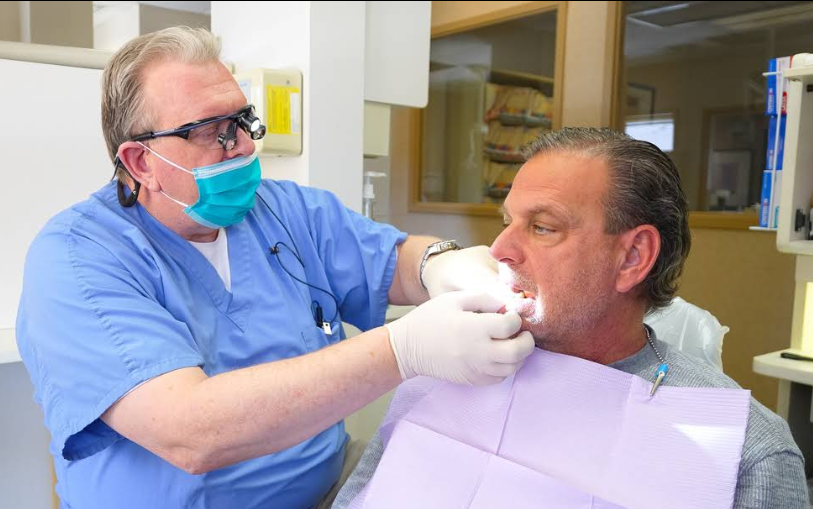
Dr. Welch carefully loosens and removes the tooth using the technique that best fits your situation. A simple extraction may be enough for an easily accessible tooth, while a surgical approach may be needed for a broken, impacted, or difficult-to-reach tooth.
Step 5: Caring for the Extraction Site
After the tooth is removed, the area is checked and cared for as needed. Gauze may be placed over the site to help control bleeding and support the formation of a blood clot.
Step 6: Aftercare Instructions
Before you leave, the dental team explains how to care for the extraction site at home. You will receive guidance about eating, brushing, activity, and other steps that can support healing. You will also be told which symptoms may require you to contact the office.
Does Tooth Extraction Hurt?
Tooth extraction is performed with local anesthesia to numb the area before the procedure begins. This helps prevent sharp pain while the tooth is being removed. Your dentist will also make sure the area is properly numb before starting treatment.
During the procedure, you may notice sensations such as:
Some soreness or tenderness is normal after the anesthesia wears off. The level of discomfort can vary depending on the condition of the tooth, the type of extraction, and how your mouth responds during healing. Following your aftercare instructions can help protect the extraction site and support recovery. If discomfort becomes much worse instead of gradually improving, or you notice other concerning symptoms, contact your tooth extraction dentist for guidance.
How Long Does Tooth Extraction Take?
The time needed for a tooth extraction can vary depending on the tooth, its condition, and how difficult it is to remove. A straightforward extraction may be completed fairly quickly, while a surgical extraction may take longer, especially when a tooth is impacted, broken, or has complicated roots.
Factors that can affect the appointment include:
Your appointment may also include an examination, X-rays, numbing the area, removing the tooth, and receiving aftercare instructions. The dentist can give you a better idea of how long your tooth extraction appointment may take after examining your tooth and determining the most suitable approach.
What Happens If the Tooth Breaks During Extraction?
A severely decayed, brittle, or already fractured tooth can sometimes break while it is being removed. This does not necessarily mean that something has gone wrong. Teeth that have been weakened by decay, infection, or previous damage may break more easily during extraction. If this happens, the dentist can adjust the technique based on the condition of the tooth and what remains. Depending on the situation, the dentist may:
The approach depends on the tooth’s condition, root shape, and position. The goal is to remove the tooth and any necessary remaining portions while protecting the surrounding gums and tissues as much as possible.
When Is Tooth Extraction Considered an Emergency?
Not every dental emergency requires an extraction. In some cases, quick treatment can save the natural tooth. However, when a tooth is severely damaged, infected, or causing serious symptoms, prompt evaluation may be needed. The dentist will examine the problem and decide whether the tooth can be treated or should be removed. Situations that may require urgent dental care include:
An emergency tooth extraction may be needed when a tooth is causing serious problems and cannot be saved. However, an urgent dental problem does not always mean the tooth must be removed. The dentist will first check whether the natural tooth can be preserved with another suitable treatment.
How Long Does It Take to Heal After Tooth Extraction?
Healing occurs gradually after an extraction, with the site changing over several days and weeks as the gums and surrounding tissues recover.
First 24 Hours
A blood clot forms in the socket. Protecting this clot is important because it helps shield the underlying tissues while healing begins.
First Few Days
Some tenderness and swelling may occur. These symptoms should generally begin to improve rather than become progressively worse.
About 1–2 Weeks
The gum tissue continues closing and repairing itself. Healing time can vary depending on the tooth and the type of extraction.
Following Weeks
The deeper tissues and bone continue to heal beneath the gum.
To support recovery:
- Follow the dentist’s instructions.
- Keep the area clean as directed.
- Avoid disturbing the extraction site.
- Choose foods that are comfortable during the early recovery period.
- Follow any activity restrictions provided by your dentist.
Increasing pain, significant swelling, persistent bleeding, fever, or other unusual symptoms should be reported to the dental office.
Tooth Extraction Services in Kokomo, Indiana
Family Practice Dentistry provides dental care for patients who have damaged, painful, infected, or otherwise troublesome teeth. Before recommending removal, the dental team evaluates the tooth and surrounding area to understand the problem and determine the most suitable treatment. Our tooth extraction services are focused on careful evaluation and clear treatment planning. If you have been looking for teeth extraction near me in the Kokomo area, an appointment can help determine whether extraction is needed or if the tooth may be treated and preserved. Treatment costs can vary based on the type of extraction and the condition of the tooth. Patients interested in affordable teeth extractions or wanting to know about teeth extractions prices can discuss their treatment needs, insurance benefits, and available payment options with the office. This allows you to better understand the expected costs before treatment.


Why Choose Us for Tooth Extraction in Kokomo?
Choosing a tooth extraction dentist is about more than finding an available appointment. You want to know why the tooth needs to be removed, whether there is another way to save it, what the procedure will involve, and how you will be cared for afterward. At Family Practice Dentistry, the focus is on examining the tooth and explaining the recommended treatment before moving forward.