
Root Canal Therapy in Kokomo for Natural Tooth Care
Persistent tooth pain, sensitivity, or swelling can make it difficult to eat, drink, or go about your normal day. These symptoms may sometimes mean that the inside of your tooth is infected or damaged. Root canal therapy is a treatment that removes the affected tissue, cleans the inside of the tooth, and seals it to help prevent further infection.
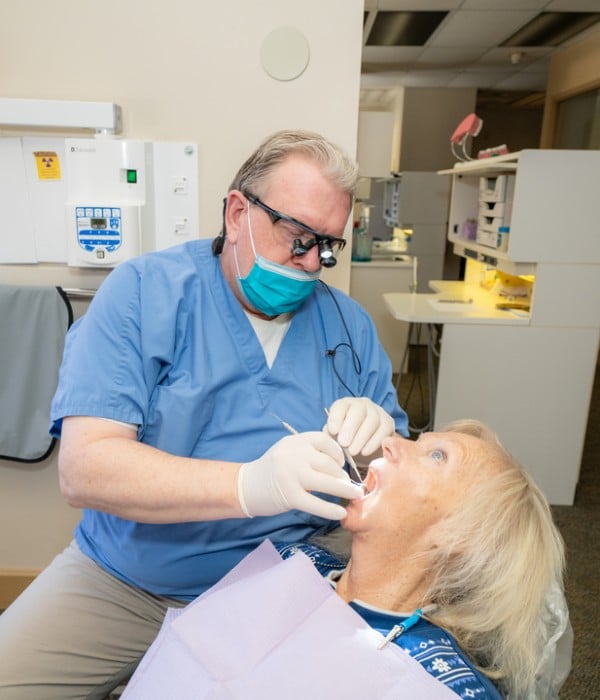
Those dealing with persistent tooth pain can receive personalized care from Dr. Kevin J. Welch, DDS, in Kokomo, IN. If you need root canal treatment near me, an evaluation can help identify the cause of your symptoms and determine the right treatment for your tooth. When possible, treatment can help preserve your natural tooth instead of removing it. Saving the natural tooth can help you continue to bite and chew comfortably while protecting your oral health.
Need Dental Services?
Call: 765-453-0085Opening Hours : 8am - 5pm
Monday, Tuesday, WednesdayAddress
2705 S Berkley Rd Ste 3B, Kokomo, IN 46902, USA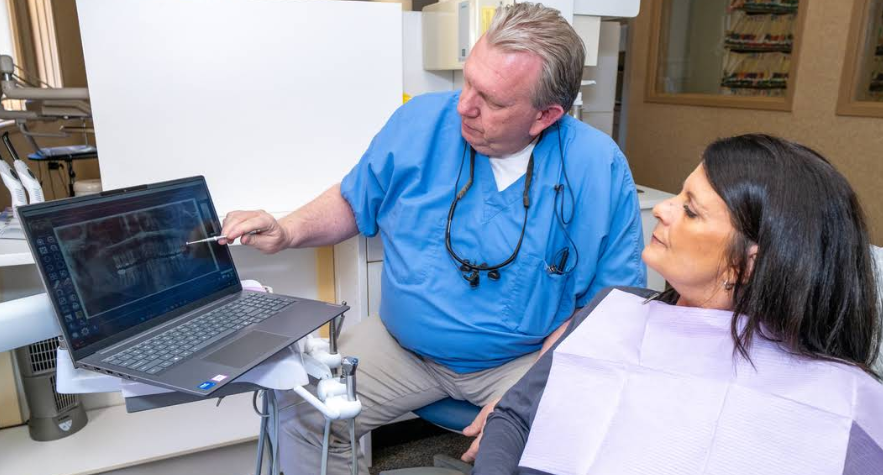

What Is Root Canal Therapy?
Root canal therapy is a dental treatment used when the soft tissue inside a tooth, called the pulp, becomes inflamed or infected. The pulp contains nerves and blood vessels that help the tooth develop. Once a tooth has fully developed, the pulp is no longer necessary for the tooth to function.
When the pulp becomes infected or severely damaged, bacteria can spread through the root canal system. Without appropriate treatment, the infection may lead to increasing pain, swelling, an abscess, or damage to the surrounding tissues. During this procedure, your root canal therapy dentist accesses the inside of the tooth, removes the affected pulp, cleans and shapes the root canals, and seals the space. The tooth can then be restored so it can continue functioning as part of your natural smile.
Why Is Root Canal Therapy Performed?
Root canal treatment may be recommended when the soft tissue inside a tooth becomes inflamed, infected, or damaged. This can affect the tooth root canal and may cause pain or sensitivity. Common causes include:
- Deep tooth decay that reaches the inner part of the tooth.
- A cracked, broken, or severely damaged tooth.
- An injury or trauma affecting the tooth.
- Repeated dental procedures involving the same tooth.
- An untreated cavity that spreads to the inner tooth.
- A bacterial infection affecting the inside of the tooth.
The right treatment depends on the condition of your tooth. A dental examination and, when needed, X-rays can help your dentist determine whether root canal therapy is the appropriate treatment.
How Does Root Canal Therapy Help Save the Natural Tooth?
When a tooth can be successfully treated, root canal therapy can remove the infected or damaged tissue while allowing the remaining natural tooth structure to stay in place. Keeping your natural tooth can help maintain normal chewing function and avoid immediately removing the tooth. After the root canal is completed, the tooth may need a filling or crown to restore its strength and function.
What Are the Signs You May Need Root Canal Therapy?
Not every toothache means you need a root canal. However, certain symptoms may indicate that the pulp inside the tooth has become damaged or infected.
You may need an evaluation for teeth root canal treatment if you experience:
Some dental infections can develop with few noticeable symptoms, so the absence of severe pain does not always mean there is no problem. If you have ongoing symptoms, scheduling an examination can help identify the cause and determine the appropriate treatment for your tooth.
Is the Tooth Definitely Infected or Damaged?
Symptoms alone cannot always tell you whether a tooth needs root canal therapy. Tooth pain can have several causes, and some dental problems may produce similar symptoms. Your dentist can examine the tooth, review your symptoms, and use dental X-rays or other diagnostic information when needed. This helps determine whether the pulp is affected and whether root canal treatment is appropriate. The goal is to understand the cause of the problem before recommending treatment.
Can the Tooth Be Saved Without a Root Canal?
That depends on the condition of the tooth. Some teeth with early or less severe problems may be treated with other dental procedures. However, when the pulp inside the tooth is infected or significantly damaged, root canal therapy may be recommended to remove the affected tissue and preserve the remaining tooth structure. If a root canal is not appropriate or the tooth cannot be predictably restored, your dentist can discuss other options, including extraction and possible tooth replacement.
How Does Root Canal Therapy Work?
Root canal treatment is completed in several stages. The exact approach may vary depending on the tooth, the extent of the problem, and your individual dental needs. Our root canal services are designed to address the affected tooth while helping preserve your natural smile.
Step 1: Examination and Diagnosis
Dr. Kevin J. Welch, DDS, first examines the tooth and discusses your symptoms with you. Dental X-rays may be taken to get a closer look at the tooth and surrounding structures. This evaluation helps determine the source of the problem and whether root canal therapy is the right treatment.
Step 2: Numbing the Tooth
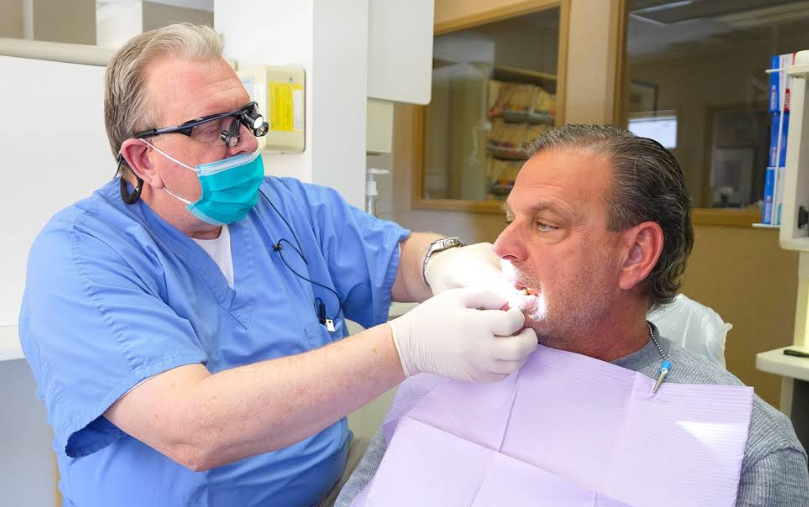
Before treatment begins, our dental team uses local anesthesia to numb the treatment area. We take steps to help you stay comfortable throughout the procedure. If you have concerns about dental treatment or anesthesia, please let our team know before your appointment.
Step 3: Removing the Damaged or Infected Pulp
A small opening is made in the tooth to reach the pulp chamber and root canals. The damaged or infected pulp is then carefully removed from inside the tooth so the affected area can be properly treated.
Step 4: Cleaning and Shaping the Root Canals
After the affected tissue is removed, the inside of the tooth is thoroughly cleaned and the root canals are carefully shaped. This helps remove bacteria, damaged tissue, and debris while preparing the tooth for filling and sealing.
Step 5: Filling and Sealing the Tooth
Once the canals have been cleaned and prepared, they are filled and sealed to help prevent bacteria from entering again. Depending on your needs, treatment may require more than one appointment. If needed, a temporary filling can be placed to protect the tooth between visits.
Step 6: Restoring the Tooth
After treatment is complete, the tooth needs an appropriate final restoration. Your dental team will consider the condition of the tooth and how much natural structure remains before recommending a filling, crown, or another restoration. This final step helps restore normal function and protect the tooth from future damage.
Does Root Canal Therapy Hurt?
One of the most common questions patients have before a root canal is whether the treatment will hurt. It is understandable to feel nervous, especially if you are already experiencing tooth pain. Root canal therapy is performed with local anesthesia to numb the area being treated. You may feel some pressure or movement during the procedure, but you should not expect sharp pain while the tooth is being treated. Our dental team will also check on your comfort throughout the appointment. After treatment, it is normal to have some tenderness or sensitivity for a short time as the surrounding area recovers. Your dental team will explain how to care for your tooth and what you can expect after treatment. If you feel anxious about treatment, let our team know. We can explain each step, answer your questions, and help you feel more comfortable throughout your visit.
Will I Feel Anything During the Procedure?
Before treatment begins, local anesthesia is used to numb the tooth and surrounding area. This helps make the procedure as comfortable as possible. You may notice some pressure, vibration, or movement while the dentist works on the tooth. You should not have to tolerate significant pain during treatment. If you feel uncomfortable at any point, let your dental team know so they can address it. Good communication throughout your appointment helps our team understand how you are feeling and provide a more comfortable experience.
How Long Will Each Appointment Take?
The length of treatment can vary depending on the tooth being treated and the complexity of the root canal. Some treatments can be completed in a single visit, while others may require additional appointments. After examining your tooth, your dental team can explain how many visits may be needed and what to expect during each one. If more than one visit is necessary, a temporary restoration may be placed to help protect the tooth until treatment is completed.
Do I Need a Crown After a Root Canal?
Not every tooth that has received a root canal needs a crown. However, some teeth may need additional protection after treatment, especially when a significant amount of natural tooth structure has been lost. A root canal therapy dentist can evaluate your tooth and consider several factors before recommending a crown or another type of restoration:
Your dentist will explain your options and recommend the restoration that best fits your needs. If a crown is recommended, completing the final restoration can help protect the treated tooth, restore normal function, and reduce the risk of future damage.
Root Canal Treatment Cost
Root canal treatment cost can vary depending on the tooth being treated, the complexity of the case, the number of appointments needed, and whether a final restoration such as a crown is required. Because every tooth and every patient’s situation is different, root canal procedure cost is best discussed after an examination, when your dentist can give you a clearer picture of what your specific treatment may involve. At Family Practice Dentistry, we understand that cost is often an important part of the decision-making process. Our team can walk you through the details after your exam and help you understand your options for affordable root canal treatment, including how dental insurance benefits, if applicable, may apply to your care.
What to Expect After Root Canal Therapy
After your root canal, your tooth and the surrounding area may feel tender for a short period while the area recovers. Your dentist will provide instructions based on your treatment and the condition of your tooth. You may be advised to:
What Should I Do If I Have Pain After Treatment?
Some tenderness or sensitivity after root canal therapy is normal while the tooth and surrounding tissues recover. However, pain that becomes severe, gets worse, or does not improve should be checked. If you notice increasing pain, swelling, or other unusual symptoms, reach out to our dental team. We can listen to your concerns, evaluate the treated tooth, and determine whether any additional care is needed. Our goal is to make your recovery as comfortable as possible and help your treated tooth heal properly. We will explain what to expect after treatment and guide you through any follow-up care you may need.
How Long Does a Root Canal-Treated Tooth Last?
A tooth that has received root canal treatment can remain functional for many years with proper care and a suitable final restoration. How long it lasts can vary from person to person and depends on several factors, including:
A treated tooth can still develop dental problems over time, so regular care is important. Dr. Kevin J. Welch, DDS, provides personalized care for patients who need ongoing attention after treatment. As a root canal specialist, he can evaluate a treated tooth when concerns arise and recommend the appropriate care to help keep it healthy and functional.
Root Canal vs. Tooth Extraction
When a tooth is badly damaged or infected, you may wonder whether it can be saved with a root canal or needs to be removed. If the tooth can be restored, root canal therapy may offer a way to treat the problem while keeping your natural tooth.
Root Canal Therapy
- Treats the inside of the natural tooth.
- Helps preserve the remaining tooth structure.
- Keeps the natural tooth in its original position.
- May require a crown or another restoration.
- Requires proper care after the treatment.
Tooth Extraction
- Removes the damaged or infected tooth.
- Leaves an open space after the tooth is removed.
- May require a replacement for the missing tooth.
- May involve an implant, bridge, or denture.
- Requires healing and planning for replacement.
Neither option is automatically right for every patient. Your dentist can examine the tooth and explain whether it can be restored and which treatment may be appropriate.
When Is a Root Canal a Dental Emergency?
A tooth that needs root canal treatment can sometimes cause significant pain or infection. If you have severe dental symptoms, prompt evaluation may be important. Contact a dentist promptly if you experience:
Difficulty breathing or swallowing with facial or mouth swelling can be a serious medical emergency and requires immediate medical attention. If you have urgent dental symptoms and need root canal therapy near me, contact Family Practice Dentistry for an evaluation to determine the appropriate care.
What Happens If a Root Canal Fails?
Root canal treatment is generally successful, but a treated tooth can sometimes develop new problems over time. This does not necessarily mean that the tooth needs to be removed. A previously treated tooth may develop another infection because of new decay, leakage around a restoration, an area of the root canal that was not fully treated, or other changes affecting the tooth. If you notice new or ongoing pain, swelling, or sensitivity, our dental team can examine the tooth and determine what may be causing the problem.
Dr. Kevin J. Welch, DDS, will review the condition of the tooth and explain the available treatment options. Depending on the situation, care may include additional root canal treatment, another dental procedure, or extraction if the tooth cannot be restored reliably. Our goal is to understand the cause of the problem and recommend the option that best fits the condition of your tooth and your dental needs.


Why Choose Family Practice Dentistry for Root Canal Therapy?
Choosing the right dental practice for root canal treatment can make the experience feel more comfortable and less stressful. You want a team that listens to your concerns, explains your options clearly, and takes the time to understand your dental needs. At Family Practice Dentistry, we focus on providing thoughtful, personalized care from your first visit through follow-up.