
Have a Damaged Tooth? Get Dental Crowns in Kokomo, Indiana
A damaged, cracked, or weakened tooth can make everyday things like eating, drinking, and brushing uncomfortable. It can also affect the look of your smile and make you self-conscious about showing your teeth. Without treatment, a tooth that is already weak can crack further, break, or develop decay underneath, and that can lead to more complex and costly care later. A dental crown is a custom-made cap that fits over the tooth. It restores the tooth’s shape, strength, and function while protecting what remains of the natural tooth structure.
If you are considering dental crown in Kokomo, Indiana, knowing how the treatment works and what your options are can help you make a confident decision. Crowns are commonly used to repair broken or worn teeth, cover large fillings, protect teeth that have had root canal treatment, and improve the look of teeth that are misshapen or discolored. If you need a tooth crown in Kokomo, a dental exam is the first step. It lets your dentist check the tooth, take any needed X-rays, and find out whether a crown is the best way to restore it. A skilled dental crown dentist can tell you whether a crown suits your tooth, explain the materials and steps involved, and describe what to expect from your first visit through the final fitting.
At Family Practice Dentistry, Dr. Kevin J. Welch, DDS, evaluates your oral health and recommends treatment based on the condition of your tooth and your individual needs. If you are looking for a dentist for dental crowns in Kokomo, our team can examine your tooth, answer your questions, and walk you through our dental crown services so you know what to expect before treatment begins. Whether you have a damaged tooth, a large cavity, or a tooth that needs extra protection after root canal treatment, an exam can help determine whether a crown is the right choice. We take the time to explain every option clearly, so you can move forward feeling informed and comfortable.
Have questions about dental crowns or want to restore damaged or weakened teeth? Call 765-453-0085 to schedule your consultation at Family Practice Dentistry.


What Are Dental Crowns?
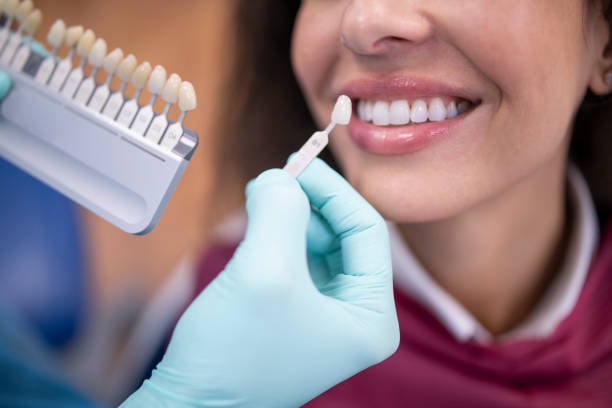
A dental crown is a custom-made restoration that covers the entire visible portion of a tooth above the gumline. It fits over the tooth like a cap, and it is shaped, sized, and color-matched to blend in with your natural teeth. This type of dental crown restoration is designed to protect the tooth while restoring its shape, strength, and function. Sometimes called a tooth crown, it supports a tooth when a filling alone cannot provide enough strength. It protects a weakened tooth, rebuilds its natural shape, and improves its ability to handle normal chewing forces. Crowns can also improve the appearance of teeth that are severely worn, misshapen, or damaged.
Dental crowns may be recommended when a tooth has too much damage for a regular filling to hold securely. Common situations include a large cavity, a cracked or broken tooth, or a tooth worn down over time by grinding or age. Crowns can also restore a tooth after root canal treatment, since the tooth is more fragile once the inside has been treated. In addition, a crown can serve as the visible, tooth-shaped part attached to a dental implant, giving you a complete and natural-looking replacement tooth.
The right type of crown depends on the tooth’s location, how much healthy tooth structure remains, your bite, and your treatment goals. For example, a tooth at the back of the mouth handles heavier chewing pressure, while a front tooth may call for a crown that prioritizes a natural appearance. During a consultation, a dental crown specialist, Dr. Kevin J. Welch, DDS, can explain the available materials, answer your questions, and describe what you can expect from dental crown treatment. Dr. Welch will examine the tooth carefully before recommending the option that best suits your needs.
When Do You Need a Dental Crown?
A dental crown may be recommended when a tooth needs more protection or support than a filling can provide. Your dentist will evaluate the damage and determine which treatment is the best fit for your tooth. Common reasons for getting a dental crown include:
Cracked or broken teeth
A crown can hold a damaged tooth together and protect it from further damage, as long as enough healthy tooth structure remains to restore it.
Large cavities
When decay has removed a large part of the tooth, there may not be enough left to support a regular filling.
After root canal treatment
A tooth that has had a root canal can become more brittle and more likely to fracture, so a crown is often recommended for added protection.
Worn-down teeth
Years of grinding, clenching, or general wear can change the shape of a tooth and make chewing less comfortable. A crown can rebuild its shape and function.
Damaged existing restorations
If an older filling is cracked, loose, or no longer supports the tooth well, a crown may be a stronger long-term solution.
Dental implant restoration
A crown can be attached to a dental implant to replace the visible part of a missing tooth. This is one of the most common ways crowns are used in crowns and implants dentistry, although an implant-supported crown is different from a crown placed over a natural tooth.
Not every damaged tooth needs a crown. Depending on the condition of the tooth, a filling, inlay, onlay, or another treatment may be more appropriate. A dental exam helps identify the best option for your tooth, so you only get the treatment you truly need.
Types of Dental Crowns Available
Dental crowns are made from several different materials, and each one has its own advantages. The right choice depends on which tooth is being restored, how much chewing force it handles, how natural you want it to look, and your overall dental health.
Porcelain Crowns
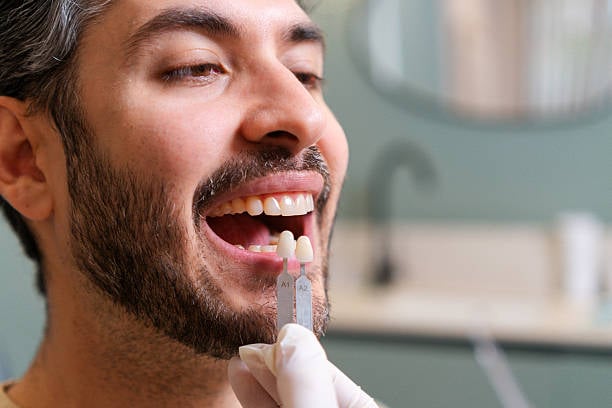
Porcelain crowns are one of the most popular choices for patients who want a natural-looking smile. The porcelain can be shaded to match your surrounding teeth, and it reflects light much like natural enamel does. If you are searching for a porcelain crowns dentist, these crowns are often a good fit for visible teeth where appearance matters most. A porcelain dental crown can be shaped and shaded to blend in with the teeth next to it, and the finished result can look very lifelike. The final result depends on the material used, the color of your neighboring teeth, and the characteristics of the tooth being restored. A porcelain front tooth crown is a popular choice for restoring a front tooth, since those teeth are the most noticeable and need to look natural. Porcelain can also work well for any tooth where both function and appearance are important.
Ceramic Crowns
Ceramic crowns are made from tooth-colored, metal-free materials designed to look natural and feel comfortable. Like porcelain, ceramic can be matched to the color of your surrounding teeth, which makes it a good option for patients who want a restoration that blends in with the rest of their smile. Because ceramic crowns do not have a metal base, they are often chosen by patients who prefer a fully tooth-colored restoration. Some ceramic materials are also known for their strength, so they may be suitable for certain back teeth as well as visible front teeth. The best material depends on the location of the tooth, your bite, and how much healthy tooth structure remains. During your consultation, your dentist can examine the tooth, explain your options, and recommend the one that best fits your needs.
Metal Crowns
Metal crowns are built to withstand heavy chewing forces, which makes them a good option for some back teeth. Because of their metallic color, they are less often chosen for teeth that show when you smile.
Porcelain Fused to Metal Crowns
These crowns have a metal base covered by a tooth-colored porcelain layer. They combine strength with a more natural appearance, although the porcelain can occasionally chip over time.
Stainless Steel Crowns
Stainless steel crowns are most often used for baby teeth in children, since they are durable and practical for teeth that will eventually fall out. Whether they are suitable depends on the patient’s age and dental needs.
Not every material is offered at every dental practice. Your dentist can explain the crown options available at Family Practice Dentistry and help you understand the benefits and limitations of each, so you can choose with confidence.
Crown Materials Explained: What Works Best for Each Tooth
Choosing a dental crown involves more than picking a material based on how it looks. Your dentist considers the location of the tooth, how much healthy structure remains, your bite, the forces placed on the tooth, and your personal preferences. Because every tooth and every patient is different, the best material can vary from one situation to the next.
For Front Teeth
Porcelain or ceramic crowns are often considered for front teeth because they can closely match the color and appearance of your natural teeth. These materials are a popular choice when keeping a natural-looking smile is a priority.
For Back Teeth
Molars and premolars handle a great deal of pressure every time you chew. Depending on the condition of the tooth and your bite, a dentist may recommend a strong ceramic, metal, or porcelain-fused-to-metal crown to help it hold up over time.
For Teeth With Extensive Damage
When a tooth is badly damaged, your dentist first checks how much healthy tooth structure is left and whether it can support a crown. The choice of material then depends on the location of the tooth, the extent of the damage, and the design of the restoration.
For Patients Who Want a Natural Appearance
Tooth-colored porcelain and ceramic crowns are a good option if you want your restoration to blend in with the surrounding teeth. These are often called cosmetic dental crowns. A cosmetic dental crown can improve the appearance of a damaged or misshapen tooth while also restoring its function. The final look depends on the material, the design of the crown, and the characteristics of your tooth.
For Children
Stainless steel crowns may be recommended for certain baby teeth that have extensive decay or need extra protection. The decision depends on the child’s age, the tooth involved, and how long it is expected to stay in place before it falls out naturally.
For Teeth Subject to Grinding or Clenching
If you grind or clench your teeth, your restorations have to withstand extra force. Your dentist may suggest a more durable crown material and talk with you about ways to protect it, such as wearing a night guard when appropriate.
The best crown material is the one that meets the functional needs of your tooth while also taking your appearance goals, durability, and overall dental health into account. Dr. Kevin J. Welch can examine your tooth and explain your options before treatment begins, so you know exactly what to expect.
Benefits of Dental Crowns
Dental crowns can help restore teeth that have been weakened by decay, fractures, wear, or previous treatment. When they are chosen carefully and well maintained, they support comfortable chewing and protect the remaining tooth structure. A trusted dental crown dentist can explain which of these benefits apply to your tooth and what you can expect from treatment. Potential benefits include:
Restored tooth strength
A crown covers the damaged portion of the tooth and helps it withstand everyday chewing forces.
Improved appearance
Tooth-colored crowns can improve the shape, size, and color of certain damaged teeth.
Protection for weakened teeth
A crown can lower the risk of further damage in teeth that need extra support.
Better chewing function
Rebuilding the shape of a tooth can make biting and chewing more comfortable.
Support after root canal treatment
A crown can protect a tooth that is at a higher risk of fracture.
Long-term restoration
With proper care and regular dental visits, a crown can provide years of reliable function.
The benefits you get depend on the condition of the tooth, the material selected, the quality of the restoration, and your daily oral hygiene habits. If you are exploring dental crown services, an exam can help you understand how a crown could improve both the health and the appearance of your smile.
What to Expect During the Dental Crown Procedure
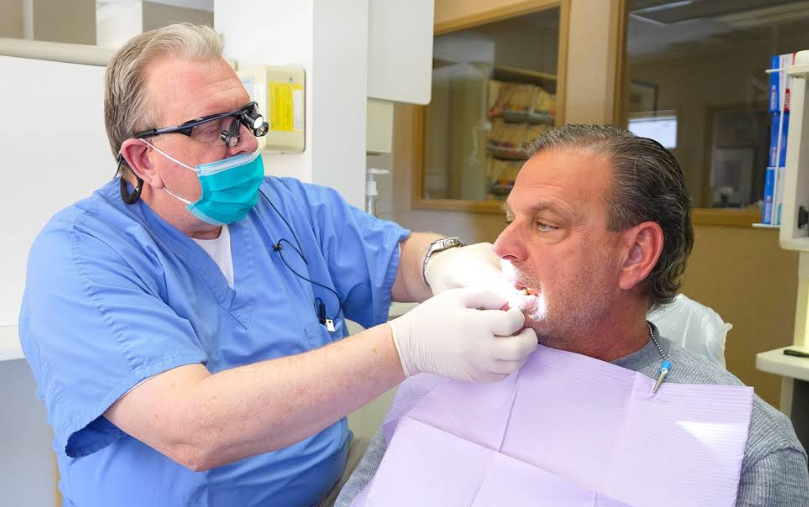
Getting a dental crown generally involves examining the tooth, preparing it, and fitting a custom-made crown. Understanding the dental crown procedure, which some people search for as the crown tooth process, can help you feel prepared and comfortable at each appointment. The exact steps depend on the condition of your tooth and the methods used by the dental office.
Step 1: Dental Examination
Your dentist examines the affected tooth, asks about your symptoms, and may take dental X-rays if needed. This helps determine whether a crown is the right choice and whether any other treatment should be done first.
Step 2: Tooth Preparation
If a crown is recommended, your dentist prepares the tooth by reshaping it to make room for the restoration. Any decay or damaged tooth structure is treated as part of this step, so the crown has a healthy, stable foundation.
Step 3: Dental Impressions or Digital Scanning
Next, an impression or digital scan captures the shape of the prepared tooth and the teeth around it. This information is used to create a crown that fits your bite and the position of your teeth.
Step 4: Temporary Crown Placement
If the permanent crown is being made separately, a temporary crown may be placed to protect the prepared tooth in the meantime. Your dentist will explain how to care for it until the permanent crown is ready.
Step 5: Permanent Crown Placement
At the final appointment, your dentist checks the fit, shape, bite, and appearance of the crown. Once any needed adjustments are made, the crown is securely placed on your tooth.
After treatment, you will receive clear instructions for caring for your new crown. Your dentist may also recommend a follow-up visit to make sure everything is healing and feeling comfortable.
Dental Crowns vs. Dental Fillings
Dental crowns and fillings both restore damaged teeth, but they serve different purposes. A filling is generally used to repair a smaller area of damage, while a crown covers the entire visible portion of a tooth when it needs more extensive protection.
Feature | Dental Fillings | Dental Crowns |
Main purpose | Repair a cavity or a smaller area of damage | Cover and protect a weakened or extensively damaged tooth |
Coverage | Fills only the affected area | Covers most or all of the visible tooth |
Tooth preparation | Usually removes less healthy tooth structure | Usually requires more preparation to fit the crown |
Common use | Small to moderate cavities | Extensive decay, certain fractures, or teeth that need extra support |
Treatment process | Often completed in one visit | May take more than one visit, depending on the method used |
Cost | Generally less expensive | Generally more expensive |
A filling may be enough when the tooth has plenty of healthy structure left to support it. A crown may be recommended when the damage is more extensive or when the tooth needs added protection to prevent it from cracking or breaking. The best choice depends on how much healthy tooth structure remains, the location of the tooth, and your overall dental needs. Your dentist can examine the tooth, explain the advantages and limitations of each option, and help you choose the treatment that makes the most sense for you.
How to Care for Your Dental Crown
Proper care helps protect your crown and the natural tooth underneath it. Even though a crown covers and protects the tooth, the surrounding gum tissue and the remaining tooth structure can still develop problems. Good daily habits after dental crown treatment can help your restoration last longer and keep your smile healthy. Follow these care tips:
Brush twice daily
Use fluoride toothpaste and a soft-bristled toothbrush to clean your teeth and the area around the crown.
Floss every day
Clean carefully around the crown and along the gumline to help prevent plaque buildup.
Avoid chewing hard objects
Don’t use your teeth to bite ice, hard candies, or other objects that could damage the crown.
Be mindful of sticky foods
Sticky foods can sometimes loosen a crown, especially a temporary one.
Address teeth grinding
If you grind or clench your teeth, ask your dentist whether a night guard could help protect your crown.
Attend regular dental checkups
Routine exams allow your dentist to monitor the crown, your gums, and the surrounding teeth.
Contact your dentist if you notice ongoing discomfort, a change in your bite, a loose crown, or damage to the restoration. Catching a problem early can help prevent further damage and keep your crown working well.
Is the Dental Crown Process Painful?
Getting a dental crown is generally not painful because local anesthesia is used while your tooth is being prepared. You may feel some pressure or vibration during treatment, but the area should be numb enough to keep you comfortable throughout the visit. After the procedure, it’s common to notice some temporary tooth sensitivity, mild gum soreness, or slight discomfort when you bite down. These symptoms usually improve within a few days as the treated area settles. Here is what you may experience at different stages:
During tooth preparation
Local anesthesia helps prevent pain while your dentist works on the tooth.
After the anesthesia wears off
You may notice mild sensitivity to hot or cold foods and drinks.
While wearing a temporary crown
The tooth may feel a little sensitive, and the temporary crown needs extra care until the permanent one is ready.
After the permanent crown is placed
If the crown feels too high or uncomfortable when you bite, your dentist can adjust it.
If you have severe pain, increasing swelling, sensitivity that doesn’t go away, or discomfort that isn’t getting better, contact your dentist for an evaluation. A crown that feels uneven when you bite may simply need a quick adjustment. At Family Practice Dentistry in Kokomo, Dr. Kevin J. Welch can examine your tooth and explain what to expect before treatment begins, so you can feel confident and comfortable going into your appointment.
How Much Do Dental Crowns Cost in Kokomo?
The cost of dental crowns in Kokomo depends on several factors, including the crown material, the tooth being treated, the extent of the damage, and whether you need additional procedures. For example, a porcelain dental crown may cost more or less than a crown made from another material, and the porcelain crown cost can also vary with the design of the crown and the tooth being restored.
The following table provides rough estimates of dental crown costs. At Family Practice Dentistry, the actual price depends on the condition of your tooth, the type of crown selected, and any additional treatment you may need. Dr. Kevin J. Welch can evaluate your tooth and discuss the expected cost based on your individual dental needs.
Type of Dental Crown | Estimated Cost Per Tooth |
Porcelain or ceramic crown | 900–2,000 |
Porcelain-fused-to-metal crown | 800–1,500 |
Metal crown | 800–1,500 |
Several factors may affect the total cost:
Dental insurance may cover part of the cost when a crown meets your plan’s requirements. However, coverage, deductibles, waiting periods, and annual benefit limits vary, so check your benefits before treatment begins. The most reliable way to understand your treatment cost is to schedule a dental exam. Your dentist can assess the tooth, explain suitable treatment options, and provide an estimate based on your needs. If you are comparing dental crown costs in Kokomo, ask for a clear breakdown of the recommended treatment, crown material, insurance coverage, and any additional charges before proceeding.
How Long Do Dental Crowns Last?
Dental crowns can last many years, although their lifespan depends on the material, the fit, the bite forces placed on the tooth, and how well the crown is maintained. Some crowns last considerably longer than others, and no crown lasts forever. Several factors influence how long a crown may last:
Oral hygiene
Brushing and flossing protect the natural tooth and the gums around the crown.
Crown material
Different materials have different strength and wear characteristics.
Bite pressure
Clenching, grinding, or chewing hard objects can increase the risk of damage.
Crown fit
A properly fitted crown supports normal function and leaves fewer areas where food and plaque can build up.
Regular dental visits
Routine checkups help your dentist spot wear, looseness, or other concerns before they become more serious.
A crown does not prevent cavities from forming at the edge of the restoration. The natural tooth underneath still needs daily cleaning and regular professional care.
If your crown becomes uncomfortable, chipped, loose, or visibly damaged, schedule an exam to find out whether it needs repair or replacement. The dental crown replacement cost depends on why the crown needs attention, the condition of the tooth underneath, and whether you need any additional treatment. Replacing a crown is sometimes called a dental cap replacement, and if you are wondering about the cost of replacing dental caps, your dentist can give you an estimate based on your particular case.
Can a Dental Crown Fix a Cracked or Broken Tooth?
A dental crown can often be used to restore a cracked or broken tooth when enough healthy tooth structure remains to support it. By covering the tooth, the crown helps protect what is left of the natural structure and restores your ability to chew comfortably. However, not every cracked tooth can be saved with a crown. The right treatment depends on the location, depth, and severity of the crack. Your dentist may recommend a crown when:
If a crack extends into the root or the tooth is severely damaged, a crown alone may not be enough. In those cases, other treatments, including extraction, may need to be considered. See your dentist if you have pain when chewing, sensitivity, or a visible crack. Until the tooth has been examined, try to avoid chewing on the affected side so the damage doesn’t get worse.
What Happens If a Dental Crown Becomes Loose or Falls Out?
A loose or fallen-out dental crown should be checked by a dentist as soon as reasonably possible. The exposed tooth may be sensitive and more vulnerable to further damage. If your crown becomes loose or falls out, follow these steps:
Keep the crown safe
If it comes out completely, place it in a clean container and bring it to your dental appointment.
Avoid chewing on the affected tooth
Choose softer foods and chew on the opposite side of your mouth.
Keep the area clean
Brush gently and continue your usual oral hygiene routine.
Avoid household adhesives
Never use superglue or other household adhesives to reattach a crown, as they can damage the tooth and the crown.
Contact your dentist
Your dentist can check the crown and the tooth underneath to determine whether the crown can be recemented, repaired, or needs to be replaced. If you are searching for a dental crown dentist near me, schedule an exam instead of trying to reattach the crown yourself.
A crown may come loose because of cement failure, decay around the tooth, damage to the crown, or changes in the underlying tooth structure. Your dentist will identify the cause before recommending treatment. Never force a loose crown back into place. If you have severe pain, swelling, or signs of infection, seek dental care right away.


Why Choose Family Practice Dentistry for Dental Crowns in Kokomo?
A crown is a long-term investment in your tooth, so it matters who plans it and how carefully it is done. You should feel confident that the treatment fits your tooth, looks natural, and is explained clearly before you begin. At Family Practice Dentistry, we take the time to examine your tooth thoroughly, talk through your options, and build a treatment plan around what your smile needs.