
Dental Implants in Kokomo
Missing one or more teeth can affect more than just your smile. You may find it difficult to chew certain foods, speak comfortably, or feel confident in everyday conversations. Over time, the surrounding teeth can shift into empty spaces, while the jawbone beneath missing teeth may gradually lose volume. Dental implants offer a long-term tooth replacement option that helps restore oral function and support jawbone health.
At Family Practice Dentistry, Dr. Kevin J. Welch, DDS, is an experienced dentist in Kokomo who provides general and restorative dental care for patients with missing teeth and other oral health concerns. For those considering dental implants in Kokomo, whether to replace a single tooth, restore several missing teeth, or find a more stable alternative to removable dentures, understanding the available treatment options can help them make informed decisions about their dental health.
Have questions about dental implants or want to explore options for replacing missing teeth? Call 765-453-0085 to schedule your consultation at Family Practice Dentistry in Kokomo.
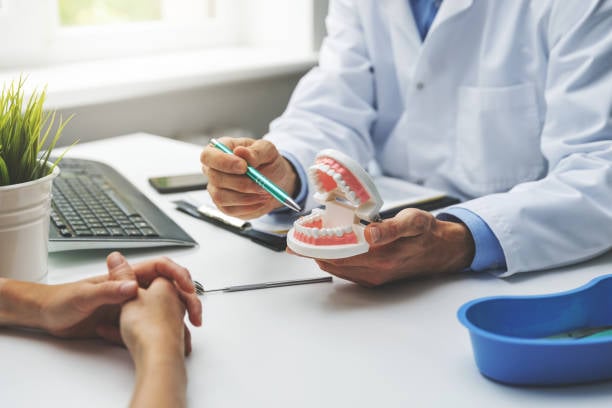
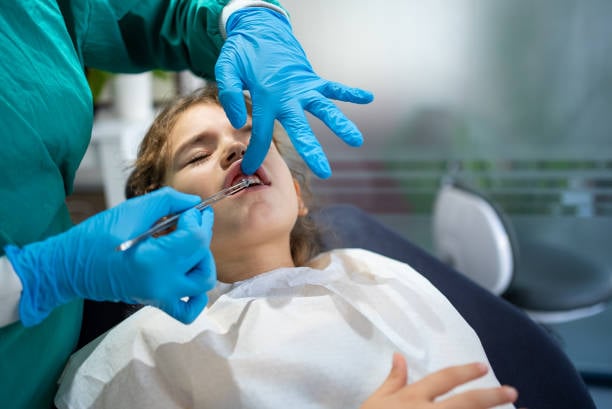
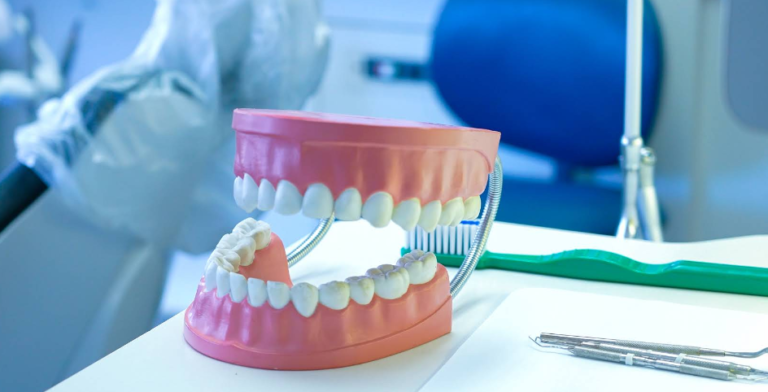
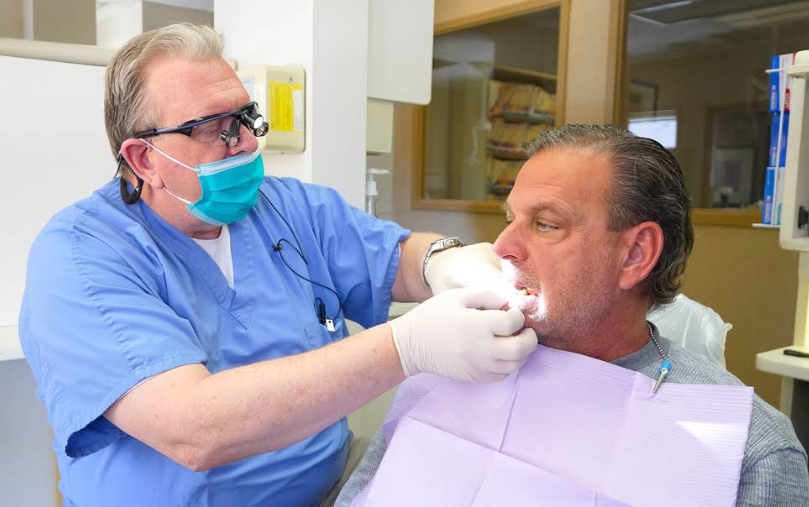
Restore Your Smile With Dental Implants
Dental implants are designed to replace missing teeth from the root up, providing a stable foundation for natural-looking restorations. Each implant typically consists of a small titanium post placed into the jawbone, where it gradually bonds with the surrounding bone during healing. Once the implant has integrated with the bone, an abutment connects it to a custom dental crown, bridge, or implant-supported denture.
Unlike traditional dental bridges, a single-tooth implant generally does not require reshaping healthy neighboring teeth. Implants can also improve the stability of dentures, helping reduce unwanted movement when eating or speaking.
If you’ve been searching for dental implants near me in Kokomo, understanding the factors that influence treatment can help you make an informed choice. Gum health, jawbone density, existing dental conditions, and overall oral health all play an important role in determining whether implants are a suitable tooth replacement option.
How Dental Implants Can Benefit Your Oral Health
Missing teeth can affect the way you eat, speak, and maintain your oral health. While traditional bridges and removable dentures can replace missing teeth, dental implants offer a different approach by providing support within the jawbone. For patients looking for a reliable tooth replacement option, implant-supported restorations can offer several functional and aesthetic benefits.
Improved Chewing and Biting Ability
Missing teeth can make it uncomfortable to eat certain foods, particularly those that require more chewing. Dental implants provide a stable foundation for replacement teeth, helping restore biting strength and improve chewing efficiency. With a properly fitted implant-supported crown, bridge, or denture, patients may find it easier to enjoy a wider variety of foods without worrying about their replacement teeth shifting.
Helps Maintain Jawbone Health
When a natural tooth is lost, the jawbone in that area no longer receives the same stimulation from chewing. Over time, this can lead to gradual bone loss and changes in the surrounding facial structure. Because dental implants are placed within the jawbone, they transfer some chewing forces to the bone and may help reduce the bone loss that typically occurs after tooth loss.
Natural-Looking Tooth Replacement
A missing tooth, especially in a visible area, can affect how comfortable you feel when smiling or speaking. Implant-supported dental crowns are custom-made to complement the shape, size, and color of your existing teeth. This allows the restoration to blend with your natural smile while helping restore the appearance of a complete set of teeth.
Preserves Surrounding Healthy Teeth
Unlike a traditional dental bridge, which typically requires the adjacent teeth to be reshaped to support the replacement tooth, a single dental implant can stand independently. This helps preserve the natural structure of nearby healthy teeth while filling the empty space. Replacing a missing tooth may also help prevent neighboring teeth from gradually shifting out of position.
Greater Stability for Denture Wearers
Traditional removable dentures may sometimes become loose or move while eating and talking, particularly as the underlying jawbone changes over time. Implant-supported dentures attach to dental implants for additional stability and retention. Depending on the type of restoration, this can reduce unwanted movement, improve comfort, and make everyday activities easier for people replacing multiple missing teeth.
A Long-Term Solution for Missing Teeth
Dental implants are designed to function as a durable tooth replacement option. With proper treatment planning, healthy gums, and consistent oral hygiene, implants can remain functional for many years. However, the lifespan of an implant depends on factors such as bone health, oral hygiene habits, smoking, and regular dental care. The attached crown, bridge, or denture may also require maintenance or replacement over time.
Although dental implants offer several benefits, they may not be suitable for everyone. The condition of your gums, available jawbone, medical history, and overall dental health all influence treatment suitability. A thorough dental evaluation helps determine whether implant treatment or another restorative dentistry option would best address your missing teeth.
Types of Dental Implants for Missing Teeth
Not everyone who loses a tooth needs the same type of dental restoration. Some patients may need to replace a single missing tooth, while others require a solution for several missing teeth or an entire arch. Dental implants in Kokomo can be used with different types of restorations, depending on the number of teeth being replaced, the condition of the jawbone, and the patient’s overall oral health. At Family Practice Dentistry, Dr. Kevin J. Welch, DDS, helps patients explore suitable tooth replacement options based on their individual oral health needs. As an experienced dentist in Kokomo, he considers factors such as gum health, bone density, bite alignment, and existing dental work when evaluating dental implant treatment options.
Single Tooth Dental Implants
Losing a single tooth can create a noticeable gap in your smile and may gradually affect the position of surrounding teeth. A single tooth dental implant replaces the missing tooth without relying on neighboring teeth for support. The treatment typically involves placing a titanium implant into the jawbone, followed by an abutment and a custom-made dental crown once the area has healed.
The implant-supported crown is designed to match the size, shape, and color of your natural teeth while fitting comfortably into your existing bite. Unlike a traditional dental bridge, this approach generally does not require removing healthy enamel from adjacent teeth.
Single-tooth implants may be suitable for people who have lost a tooth because of decay, injury, or another dental condition. However, adequate jawbone support and healthy surrounding tissues are important for successful treatment. In some cases, additional procedures may be needed before an implant can be placed.
Multiple Tooth Dental Implants
When several teeth are missing, the available replacement options depend on whether the gaps are next to each other or located in different areas of the mouth. Multiple tooth dental implants may involve placing individual implants with separate crowns or using an implant-supported dental bridge to replace several neighboring teeth.
An implant-supported bridge uses dental implants rather than natural teeth as anchors. For example, multiple missing teeth in the same area may sometimes be replaced with a bridge supported by fewer implants than the number of teeth being restored. This can provide a stable restoration while preserving adjacent natural teeth that would otherwise need to support a conventional bridge.
Replacing multiple missing teeth can also help improve chewing function, maintain proper spacing, and reduce the movement of surrounding teeth. However, treatment planning requires careful consideration of the location of the missing teeth, available bone, and the amount of biting pressure the restoration will experience. The choice between individual dental implants and an implant-supported bridge depends on the patient’s oral condition and long-term restorative needs.
Full Mouth Dental Implants
For individuals who have lost most or all of their teeth, full mouth dental implants may provide an alternative to conventional removable dentures. Rather than replacing each tooth with a separate implant, this approach typically involves placing several implants into the jawbone to support a full arch of artificial teeth.
These restorations are often referred to as full-arch dental implants or implant-supported full-mouth restorations. Depending on the treatment design, the replacement teeth may be permanently attached to the implants or made removable for cleaning and maintenance.
One advantage of implant-supported full-arch restorations is their stability. Because the replacement teeth are anchored to implants, they may provide better retention during everyday activities such as eating and speaking. They can also help distribute chewing forces across the supporting implants.
However, full-mouth tooth replacement involves more detailed planning than replacing a single tooth. The condition of the upper and lower jawbone, gum health, remaining natural teeth, and bite relationship all influence the treatment approach. Some patients may require preparatory treatment, such as tooth extractions or bone grafting, before implant placement can be considered. The number of implants required and the type of final restoration vary according to individual dental needs.
Mini Dental Implants and Implant-Supported Dentures
For some patients who wear removable dentures, keeping the dentures securely in place can become difficult as the shape of the jawbone changes over time. Mini dental implants and implant-supported dentures are two options that may help improve denture retention and comfort.
Mini dental implants are narrower than conventional implants and are sometimes used to stabilize certain removable dentures. Their smaller size may make them appropriate for selected patients with limited bone width, although their suitability depends on the amount and quality of available bone, biting forces, and the intended restoration.
Implant-supported dentures, sometimes called overdentures, attach to dental implants using specialized connectors. These attachments help keep the dentures more secure while allowing certain designs to be removed for daily cleaning. Compared with conventional dentures that rest primarily on the gums, implant-retained dentures can reduce unwanted movement and improve stability while chewing or speaking.
Not every patient is a candidate for mini implants, and they are not a direct substitute for conventional dental implants in every situation. The most appropriate option depends on jawbone support, denture design, oral health, and the amount of stability needed.
Understanding these differences is important when considering denture stabilization or other implant-based tooth replacement treatments. A comprehensive dental examination helps identify which approach can provide appropriate support, function, and long-term oral health benefits.
Stainless Steel Crowns
Stainless steel crowns are most often used for baby teeth in children, since they are durable and practical for teeth that will eventually fall out. Whether they are suitable depends on the patient’s age and dental needs.
Not every material is offered at every dental practice. Your dentist can explain the crown options available at Family Practice Dentistry and help you understand the benefits and limitations of each, so you can choose with confidence.
Dental Implant Care at Family Practice Dentistry
Replacing missing teeth involves more than filling the empty spaces in your smile. The condition of your gums, remaining natural teeth, jawbone, and overall oral health can influence which tooth replacement approach will provide the most suitable results. At Family Practice Dentistry, dental implant care focuses on understanding these factors and identifying treatment options that support both oral function and long-term dental health.
Dr. Kevin J. Welch, DDS, an experienced dentist in Kokomo, considers each patient’s dental concerns, medical history, and individual restorative needs when evaluating treatment options. A comprehensive dental examination may include checking for gum disease, assessing surrounding teeth, reviewing bite alignment, and examining the available jawbone support. Dental X-rays or other diagnostic imaging may also be needed to determine whether the bone can adequately support an implant.
Because every patient’s oral condition is different, dental implant treatment requires an individualized approach. Some patients may have healthy gums and sufficient bone for implant placement, while others may need preliminary procedures such as periodontal treatment, tooth extractions, or bone grafting. Addressing these concerns beforehand can help create a healthier foundation for the replacement teeth.
Family Practice Dentistry provides several restorative dentistry services, including dental crowns, bridges, dentures, and dental implants. These options allow patients to understand how different treatments compare in terms of function, stability, maintenance, and their effects on surrounding teeth. For example, a traditional dental bridge may be appropriate in certain situations, while an implant-supported restoration may be considered when preserving neighboring healthy teeth is a priority.
An important part of dental implant treatment planning is understanding the steps involved and the time required for healing. Depending on the patient’s needs, treatment may include preparing the jawbone, placing the implant, allowing time for osseointegration, and attaching the final dental restoration. The overall timeline can vary based on bone health, healing response, and whether additional procedures are necessary.
Long-term care is equally important. Although artificial implant restorations cannot develop cavities, the surrounding gums and supporting bone still require attention. Daily brushing, cleaning around the implant, and regular dental examinations help maintain healthy tissues and reduce the risk of complications such as peri-implant inflammation.
By considering both the immediate need to replace missing teeth and the long-term health of the surrounding oral structures, patients can better understand their restorative options and what is involved in maintaining a functional, comfortable smile.
Understanding the Dental Implant Process
Replacing missing teeth with dental implants involves several stages, from the initial examination to placing the final restoration. Unlike some traditional tooth replacement methods, dental implant treatment requires time for the implant to bond with the jawbone and develop a stable foundation for the replacement tooth. The overall process can vary depending on the number of missing teeth, available bone support, gum health, and whether additional dental procedures are needed. For patients researching dental implants near me, understanding each step of the procedure can help set realistic expectations about treatment, healing, and long-term care.
1. Initial Examination and Treatment Planning
The first stage involves a detailed evaluation of your teeth, gums, jawbone, and overall oral health. Your dentist examines the area where the tooth is missing and checks the condition of the surrounding teeth and supporting tissues. Dental X-rays and, when appropriate, 3D dental imaging may be used to assess bone density, identify important anatomical structures, and determine the available space for implant placement.
Your medical and dental history is also reviewed, including medications, existing health conditions, previous dental procedures, and factors that could affect healing. Conditions such as untreated gum disease or insufficient jawbone support may influence whether an implant can be placed immediately or whether additional care is necessary. Based on these findings, an individualized dental implant treatment plan can be developed. This plan considers the number and position of implants, the type of replacement teeth needed, and the expected treatment timeline.
2. Preparing Your Mouth for Dental Implants
Before dental implant placement, the surrounding gums and jawbone must be healthy enough to support the restoration. While some patients can move directly to implant surgery, others may require preliminary dental procedures to address existing oral health concerns.
For example, a severely damaged tooth may need to be extracted before it can be replaced. Patients with periodontal disease may require gum treatment to reduce inflammation and improve the health of the supporting tissues.
When tooth loss has resulted in significant jawbone deterioration, a dental bone graft may be recommended to rebuild or strengthen the area where the implant will be placed. In certain cases involving upper back teeth, a sinus lift may also be considered to create adequate bone support.
These preparatory procedures are not necessary for every patient. Their purpose is to address conditions that could interfere with implant stability or healing. When bone grafting is required, additional healing time may be needed before implant placement.
3. Dental Implant Placement and Healing
Once the treatment area is ready, the dental implant is surgically positioned within the jawbone. The procedure is generally performed using local anesthesia to numb the surrounding tissues and minimize discomfort during placement.
The implant, usually made from biocompatible titanium, acts as an artificial tooth root. Its position is carefully planned to support the final dental crown, bridge, or denture while accommodating the surrounding bone and neighboring teeth.
Following dental implant surgery, the surrounding tissues begin to heal, and the jawbone gradually bonds with the implant through a process known as osseointegration. This biological process creates the stability needed for the implant to support chewing forces.
Healing commonly takes several months, although the exact duration varies depending on bone quality, implant location, individual healing response, and whether additional procedures were performed.
During recovery, patients may experience temporary swelling, tenderness, or minor discomfort around the surgical area. Following postoperative care instructions, maintaining appropriate oral hygiene, and avoiding excessive pressure on the implant site can help support healing. Depending on the treatment plan, a temporary dental restoration may be used while the implant integrates with the jawbone.
4. Placing the Abutment and Final Dental Restoration
After the implant has developed sufficient stability, the next stage involves connecting it to the replacement tooth or teeth. An implant abutment serves as the connector between the implant and the final restoration. Depending on the treatment approach, the abutment may be placed during an earlier stage or after the implant has healed.
Digital scans or dental impressions may be taken to create a customized restoration that fits the surrounding teeth and bite. The final restoration may be a dental crown for a single missing tooth, an implant-supported bridge for several missing teeth, or an implant-retained denture for more extensive tooth replacement.
Once the restoration is fitted, the dentist checks its appearance, comfort, and bite alignment to make sure it functions appropriately alongside the natural teeth. Adjustments may be necessary to achieve a comfortable fit and distribute biting forces properly.
Follow-up dental examinations are important for monitoring the implant, evaluating the surrounding gum tissues, and identifying potential concerns before they become more serious. Although the dental implant process can take several months from start to finish, the timeline varies considerably between patients. Maintaining healthy gums, practicing consistent oral hygiene, and attending regular dental checkups are essential parts of caring for implant-supported teeth over time.
Dental Implant Cost in Kokomo
The cost of dental implants in Kokomo, can vary from patient to patient because every tooth replacement procedure involves different clinical needs. Replacing a single missing tooth with an implant-supported crown generally involves different expenses than restoring several teeth or an entire dental arch. The total cost depends on the number of implants required, the condition of the jawbone, the type of restoration selected, and whether additional dental procedures are necessary. Understanding what contributes to the overall expense of dental implant treatment can help patients compare their options and plan for both the initial procedure and long-term maintenance.
What Factors Affect the Cost of Dental Implants?
Several factors can influence the final expense of implant-supported tooth replacement.
Number of Dental Implants
Replacing one missing tooth usually requires fewer components and procedures than replacing several teeth. For patients with multiple missing teeth, an implant-supported bridge or full-arch restoration may reduce the number of individual implants needed, depending on the treatment plan.
Type of Dental Restoration
The choice between a single dental crown, implant-supported bridge, or implant-retained denture affects the overall cost. Each restoration involves different materials, laboratory work, and customization to achieve an appropriate fit and natural appearance.
Jawbone Health and Bone Grafting
Patients who have experienced significant jawbone loss may require a bone graft or another preparatory procedure before implant placement. These additional treatments can increase the overall expense and extend the treatment timeline.
Tooth Extractions and Gum Treatment
If a damaged tooth needs to be removed or periodontal disease must be treated before implant surgery, these procedures may contribute to the total cost. Addressing existing oral health problems is important for creating a suitable foundation for implant placement.
Diagnostic Imaging and Treatment Planning
Dental X-rays, clinical examinations, and, when necessary, 3D imaging help evaluate bone structure and determine appropriate implant positioning. The diagnostic requirements depend on the complexity of the case.
Implant Materials and Components
Dental implants typically include the implant post, connecting abutment, and final restoration. The materials and components selected can influence the overall treatment expense.
Do Same Day Dental Implants Cost More?
Patients researching same day dental implants may wonder whether completing certain treatment stages in one visit affects the cost. In selected cases, an implant can be placed immediately after a tooth extraction, or a temporary restoration may be attached on the day of implant surgery. However, immediate implant placement and receiving a replacement tooth on the same day are not necessarily the same procedure. Even when a temporary tooth is provided immediately, the implant generally requires additional healing before the final restoration is completed. The cost of these treatment approaches depends on factors such as implant stability, jawbone quality, surgical complexity, and the type of temporary or permanent restoration required. Not every patient is suitable for immediate placement or immediate loading, and the availability of these procedures must be confirmed through a clinical evaluation.
Understanding Dental Implant Estimates and Insurance Coverage
When comparing dental implant prices, it is important to understand what is included in the quoted amount. Some estimates cover only the surgical placement of the implant, while others may include the abutment, final crown, diagnostic imaging, and follow-up care. Patients searching for a dental implants dentist should consider the complete treatment plan rather than comparing the initial procedure cost alone. An estimate that appears lower may not include additional procedures or the final tooth restoration. Dental insurance coverage for implants also varies between plans. Some policies may provide benefits for certain parts of the treatment, such as extractions, crowns, or other restorative procedures, while others may have exclusions or specific coverage limits. Reviewing insurance benefits can help patients better understand their potential out-of-pocket expenses. The long-term costs of maintenance should also be considered. Although dental implants are designed for durability, the attached crowns, bridges, or dentures may eventually require adjustment, repair, or replacement. A comprehensive dental examination helps determine which procedures are necessary and provides a clearer picture of the expected dental implant treatment cost. Understanding the individual stages, available restoration options, and ongoing care requirements allows patients to make informed decisions about replacing missing teeth.
Are You a Candidate for Dental Implants?
Dental implants can be an effective tooth replacement option for adults who have lost one or more teeth due to decay, injury, gum disease, or other dental conditions. However, not everyone is immediately ready for implant placement. The success of dental implant treatment depends on several factors, including gum health, jawbone strength, overall medical history, and the ability to maintain good oral hygiene. An ideal candidate generally has healthy gum tissues, sufficient jawbone to support the implant, and no untreated oral health conditions that could interfere with healing. Patients should also be willing to follow recommended aftercare instructions and attend routine dental checkups to maintain the health of their implant-supported teeth.
Several factors help determine whether dental implants are appropriate:
Healthy Gums and Oral Tissues
Healthy gums are essential for supporting dental implants. Patients with active periodontal disease or significant gum inflammation may need treatment before implant surgery. Managing these conditions helps reduce the risk of infection and complications around the implant.
Adequate Jawbone Density
Dental implants require sufficient bone volume and quality to remain stable. When a tooth has been missing for a long time, the surrounding jawbone may gradually deteriorate. However, bone loss does not necessarily rule out treatment. In certain situations, bone grafting for dental implants or other implant placement techniques may help provide adequate support.
Overall Medical Health
Certain medical conditions can affect healing following dental implant surgery. For example, poorly controlled diabetes may increase the risk of infection and delayed healing. Medical conditions and medications that affect bone metabolism or the immune system may also require additional evaluation before treatment.
Smoking and Tobacco Use
Smoking can interfere with blood circulation and tissue healing, potentially increasing the risk of implant complications. Patients who use tobacco may need to discuss how these habits could affect their treatment outcomes and long-term implant health.
Bite Alignment and Teeth Grinding
Excessive biting pressure or habitual teeth grinding, also known as bruxism, can place additional stress on dental implants and their restorations. Evaluating the patient’s bite helps determine whether protective measures or adjustments may be necessary.
Commitment to Oral Hygiene
Although dental implants cannot develop cavities, the surrounding gum tissue can still become inflamed or infected. Consistent brushing, cleaning around implant restorations, and professional dental examinations are important for preventing peri-implant disease and maintaining long-term oral health.
Patients with existing dental problems or reduced jawbone density should not automatically assume they are ineligible for implants. In many situations, preparatory dental care can address certain concerns before implant placement.
Patients searching for a dental implants specialist in Kokomo can consult Dr. Kevin J. Welch, DDS, at Family Practice Dentistry to discuss their tooth replacement needs. He can evaluate their oral health, explain available dental implant treatment options, and determine whether additional specialist care may be appropriate.
When Another Tooth Replacement Option May Be Better
Although dental implants offer several functional and aesthetic advantages, they are not always the most appropriate solution for every patient. Certain medical conditions, significant bone loss, treatment complexity, personal preferences, or financial considerations may make another tooth replacement option more suitable.
Traditional dental bridges, removable partial dentures, and complete dentures can also restore missing teeth, depending on the patient’s oral health and restorative needs. A traditional dental bridge may be considered when the teeth next to a missing tooth already require crowns or when implant surgery is not preferred. A removable partial denture can replace several missing teeth without requiring individual implants, while complete dentures may be appropriate for patients who have lost all their natural teeth in one or both arches. These alternatives differ in stability, comfort, maintenance, and their effects on surrounding teeth and oral structures. For example, conventional bridges depend on neighboring teeth for support, while removable dentures rest on the gums and may require periodic adjustments as the mouth changes.
At Family Practice Dentistry, Dr. Kevin J. Welch, DDS, helps patients explore suitable solutions for missing teeth, whether they are considering dental implant treatment, bridges, or dentures. For those wondering whether they need a dental implants specialist, he can assess their oral health, explain the differences between available treatments, and determine when specialist care may be appropriate. This approach helps patients understand their options based on comfort, function, treatment time, and long-term oral health.
Dental Implant Results and Long-Term Maintenance
Dental implants are designed to provide stable support for replacement teeth, helping restore chewing function, improve comfort, and maintain a natural-looking smile. However, the long-term success of dental implant treatment depends not only on proper placement and healing but also on how well the implants and surrounding tissues are cared for over time. With appropriate oral hygiene and regular dental care, implants can remain functional for many years. While the titanium implant itself is resistant to tooth decay, the surrounding gums and jawbone are still vulnerable to inflammation and infection. Conditions such as peri-implant mucositis and peri-implantitis can develop when bacterial plaque accumulates around an implant. If left untreated, these conditions may damage the supporting tissues and affect implant stability.
How to Care for Dental Implants
Maintaining healthy dental implants involves many of the same habits needed to protect natural teeth. Good daily hygiene helps prevent plaque buildup, supports gum health, and reduces the risk of complications around implant-supported restorations. Important aspects of dental implant aftercare and maintenance include:
Daily Brushing and Cleaning
Brush at least twice a day using a soft-bristled toothbrush and clean carefully around the implant crown, gumline, and surrounding teeth. Dental floss, interdental brushes, or other recommended cleaning tools can help remove plaque from difficult-to-reach areas.
Regular Dental Examinations
Routine dental checkups allow the dentist to examine the implant restoration, surrounding gum tissues, and supporting bone. Professional cleaning and periodic imaging, when clinically necessary, can help identify potential problems before they progress.
Protecting Implants From Excessive Pressure
Teeth grinding, jaw clenching, and uneven biting forces can place additional stress on implant restorations. In certain cases, a custom nightguard may be recommended to help protect the replacement teeth.
Maintaining Healthy Gums
Consistent plaque control and appropriate treatment of gum inflammation are essential for preventing complications. Patients with a history of periodontal disease may require more frequent monitoring.
Avoiding Tobacco Use
Smoking can interfere with gum health and healing, increasing the likelihood of complications around dental implants. Avoiding tobacco can help protect both natural teeth and implant-supported restorations.
What Affects Long-Term Dental Implant Results?
The appearance, comfort, and durability of implant-supported teeth can vary between patients. Factors such as jawbone quality, gum tissue condition, implant positioning, bite alignment, and the design of the final restoration influence how well an implant functions over time. The implant post and the visible tooth restoration also have different maintenance needs. Although the implant itself may remain stable for many years, the attached dental crown, bridge, or denture can experience wear or damage and may eventually require repair or replacement.
Patients should also be aware of possible warning signs, including persistent gum swelling, bleeding around an implant, discomfort when chewing, or unusual movement of the restoration. These symptoms require professional evaluation because early attention may help prevent more serious complications. At Family Practice Dentistry, ongoing dental implant care includes evaluating the condition of the surrounding tissues, checking the fit and function of restorations, and helping patients understand appropriate oral hygiene practices. Maintaining a consistent dental care routine plays an important role in protecting implant-supported teeth and supporting long-term oral health.


Why Choose Family Practice Dentistry for Dental Implants in Kokomo?
Replacing missing teeth involves choosing a solution that suits your oral health and long-term needs. At Family Practice Dentistry, Dr. Kevin J. Welch helps patients explore tooth replacement options and understand the dental implant process. If you are looking for a dental implants dentist, our team can help you learn about suitable treatment options for restoring your smile.