
How Can Invisalign Treatment Help You Achieve a Straighter Smile in Kokomo?
A straighter smile can improve the appearance of your teeth and boost your confidence. Invisalign uses a series of custom-made, transparent aligners that gently shift your teeth into better alignment over time. These removable trays offer an alternative to traditional braces for patients who want to address certain alignment concerns without metal brackets and wires.
At Family Practice Dentistry in Kokomo, Indiana, Dr. Kevin J. Welch evaluates each patient’s dental needs and discusses suitable treatment options. Our Invisalign services help patients explore ways to improve their tooth alignment based on their individual needs. Whether you have crowded teeth, gaps, or teeth that have shifted after previous orthodontic treatment, a dental evaluation can help determine whether Invisalign is appropriate for you. If you are searching for a local Invisalign dentist near me, a consultation at our office provides an opportunity to discuss your smile goals and learn about available options.
Getting started with Invisalign involves more than wearing clear aligners. Your dentist evaluates your teeth and bite, explains the recommended treatment plan, and provides guidance on wearing and caring for your Invisalign clear aligners. Follow-up appointments also help monitor your progress and determine whether your treatment is moving forward as planned.
When considering Invisalign in Kokomo, understanding the treatment process, expected timeline, potential costs, and daily care requirements can help you make an informed decision. A consultation at Family Practice Dentistry can help you explore your options and determine whether Invisalign suits your dental needs and smile goals.
Have questions about Invisalign or want to straighten your teeth with clear aligners? Call 765-453-0085 to schedule your consultation at Family Practice Dentistry.

Need Dental Services?
Call: 765-453-0085Opening Hours : 8am - 5pm
Monday, Tuesday, WednesdayAddress
2705 S Berkley Rd Ste 3B, Kokomo, IN 46902, USA
What Is Invisalign Treatment?
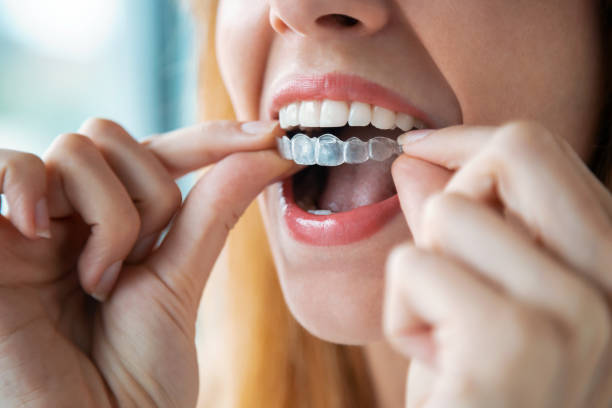
Invisalign treatment is a way to straighten teeth using a series of custom-made, clear plastic aligners. Each aligner is designed to fit your teeth and gradually guide them into better positions. These orthodontic clear aligners offer an alternative to traditional braces for people who want to improve their smile without metal brackets and wires.
Unlike traditional braces, Invisalign aligners can be removed when eating, brushing, and flossing. You wear each set for the recommended period before switching to the next one, following your dentist’s instructions. In some cases, small, tooth-colored attachments are placed on certain teeth to help guide their movement.
For treatment to work as planned, you need to wear your aligners consistently for the recommended number of hours each day. Keeping them clean and attending follow-up appointments are also important parts of the process. Your dentist will explain how to care for your aligners and what to expect at each stage.
Invisalign can help address concerns such as crowded teeth, gaps, and certain bite problems, but it may not be suitable for everyone. Your tooth alignment, bite, existing dental work, and overall oral health all influence whether clear aligners are a good option. If you are searching for a local invisalign dentist near me, a dental consultation can help you understand your treatment options, how long Invisalign may take, and what results you may expect.
What Dental Problems Can Invisalign Address?
Teeth can become misaligned in different ways. Some people have crowded or overlapping teeth, while others have gaps, crooked teeth, or bite problems that affect how their upper and lower teeth fit together. Invisalign may help correct several of these concerns, depending on the condition of your teeth and the complexity of the required movements. Here are some common dental alignment problems that Invisalign may help improve –
1. Crowded or Overlapping Teeth
Crowded teeth occur when there is not enough space for all the teeth to fit properly along the dental arch. This can cause teeth to overlap, twist, or appear uneven. Crowding may also make brushing and flossing more difficult because some areas are harder to reach. Invisalign uses a series of custom-made aligners to gradually move selected teeth into better positions. The treatment plan depends on the amount of crowding and the space available to achieve the desired alignment.
2. Gaps Between Teeth
Spaces between teeth may develop naturally or occur as teeth shift over time. Depending on their size and location, these gaps can affect the appearance of your smile and how your teeth fit together. Invisalign may help close certain gaps and create a more even smile. Before recommending treatment, your dentist will assess the spacing and check whether any underlying dental or gum concerns need attention. Orthodontic clear aligners may be suitable for some spacing problems, depending on your individual needs.
3. Certain Bite Problems
A bite problem occurs when the upper and lower teeth do not meet properly when you close your mouth. Common examples include overbites, underbites, crossbites, and open bites. Invisalign may help correct some mild to moderate bite concerns. However, more complex cases may require other orthodontic treatments. Your dentist will evaluate your bite and tooth alignment to determine which approach is appropriate.
4. Crooked or Rotated Teeth
Some teeth may grow at an angle, turn slightly, or sit outside the normal dental arch. These positioning problems can make teeth appear uneven and may affect the overall alignment of your smile. Invisalign may help correct certain types of crooked or rotated teeth through planned, gradual movements. The results depend on the severity of the misalignment and how the teeth respond to treatment.
5. Teeth That Have Shifted After Braces
Teeth can gradually shift after braces, especially when retainers are not worn as directed. This movement may cause small gaps, crowding, or changes in the alignment achieved during previous orthodontic treatment. Invisalign may help correct some cases of shifting without requiring traditional braces again. A dental evaluation can help determine the extent of the movement and whether clear aligners are suitable for restoring your tooth alignment.
If you are considering Invisalign in Kokomo, a dental evaluation can help you understand which alignment concerns may be corrected with clear aligners. The right approach depends on your individual dental needs, bite, and overall oral health.
What Are the Benefits of Invisalign?
Invisalign offers several benefits for adults and teenagers who want to improve their tooth alignment without traditional metal braces.
Less noticeable appearance
The transparent aligners are generally less visible than traditional metal braces, making them a discreet option for straightening teeth.
Removable design
You can take the trays out for meals, brushing, and flossing, making daily routines easier to manage.
Flexible eating routine
You can enjoy your usual foods after removing the aligners, while following any other dental recommendations.
Easier oral hygiene
You can brush and floss normally without working around fixed brackets and wires.
Smooth aligner material
The trays do not have metal brackets or wires, although temporary soreness or irritation may still occur.
Customized treatment planning
Each set of aligners is designed to guide your teeth through planned movements based on your dental needs.
Convenient for everyday life
Removable aligners can fit into work, school, and social routines when worn as directed.
When exploring Invisalign services, it is important to understand that treatment requires consistent wear and proper care. Removing the trays too often or not following your dentist’s instructions can affect progress and extend the treatment timeline.

Who Is a Good Candidate for Invisalign?
Invisalign may be a suitable option for adults and some teenagers who want to straighten their teeth without traditional braces. Invisalign treatment works best for patients whose alignment concerns can be addressed with clear aligners and who are willing to follow their dentist’s instructions throughout the process.
You may be a good candidate if you have:
- Crowded or overlapping teeth
- Gaps or spaces between teeth
- Certain mild to moderate bite problems
- Teeth that have shifted after previous orthodontic treatment
- A preference for removable aligners instead of traditional braces
Good oral health is also important before starting treatment. If you have untreated cavities, gum disease, or other dental problems, these may need attention before you begin wearing aligners. Invisalign also requires consistency. You must wear your aligners for the recommended number of hours each day, remove them when appropriate, keep them clean, and attend follow-up appointments to monitor your progress. Although Invisalign can address many common alignment concerns, it may not be suitable for more complex bite problems, severe tooth rotations, or certain difficult tooth movements. In these cases, traditional braces or another orthodontic approach may be more appropriate.
If you are considering Invisalign in Kokomo, a dental evaluation can help you understand whether clear aligners are suitable for your teeth and bite. Discussing your treatment goals, expected timeline, daily wear requirements, and follow-up care can help you decide which option best fits your needs.
How Does the Invisalign Treatment Process Work?
Understanding each stage can help you feel more prepared before starting Invisalign. The process begins with a dental evaluation and continues through custom aligner preparation, regular progress checks, and retainer use after treatment. Although the exact steps vary from patient to patient, the general process includes the following stages.
Step 1: Initial Consultation
Your first appointment focuses on your smile goals and dental needs. Your dentist examines your teeth, gums, and bite and reviews your dental history to determine whether Invisalign may be a suitable option. This is also a good time to ask about available Invisalign services, expected treatment duration, costs, and daily aligner care. Discussing your concerns early helps you understand what to expect before making a decision.
Step 2: Dental Records and Treatment Planning
If Invisalign is appropriate for you, your dentist gathers the information needed to plan your tooth movements. This may include digital scans or impressions of your teeth, photographs, and dental X-rays when clinically necessary. These records help your dentist assess your current alignment and develop a plan for gradually moving your teeth. You can also discuss the expected results and any limitations that may affect your treatment.
Step 3: Custom Aligner Preparation
Once your treatment plan is established, a series of custom-made aligners is prepared to guide your teeth toward their planned positions. Each set is designed for specific stages of tooth movement. Depending on your needs, small, tooth-colored attachments may be placed on certain teeth to help the aligners achieve particular movements.
Step 4: Receiving and Wearing Your Aligners
When your aligners are ready, your dentist explains how to put them in, remove them, and care for them properly. You will also learn how many hours a day to wear each set and when to move on to the next one. Following these instructions is important for keeping your treatment on schedule. Your dentist can also explain proper Invisalign cleaning techniques, including how to clean the trays and store them safely when they are not in use.
Step 5: Follow-Up Appointments and Progress Checks
Throughout treatment, you will attend follow-up appointments as recommended by your dentist. These visits allow your dentist to check how your teeth are moving, assess the fit of your aligners, and determine whether any adjustments are needed. Some patients may need additional aligners or refinements to achieve the planned tooth positions. Following your prescribed wear schedule and attending appointments helps your dentist monitor your progress.
Step 6: Wearing Retainers After Treatment
After your active aligner treatment is complete, your dentist will generally recommend retainers to help keep your teeth in their new positions. Teeth can gradually shift over time, even after successful orthodontic treatment. Wearing your retainers as instructed helps maintain your results and supports your long-term smile goals.
How Many Hours a Day Should You Wear Invisalign?
Wearing your aligners for the recommended number of hours each day is an important part of successful Invisalign treatment. Most patients need to wear their aligners for about 20 to 22 hours daily, following their dentist’s instructions. You should remove them when eating, drinking anything other than water, and brushing or flossing your teeth. Consistent wear allows the aligners to apply gentle pressure and move your teeth according to the treatment plan. If you leave them out for extended periods, your teeth may not move as expected, which can affect how your next set of aligners fits. To make your daily routine easier, keep these tips in mind:
Following these habits can help you stay on schedule throughout your Invisalign journey. If you have a busy routine involving work, school, travel, or frequent meals, discuss it with your dentist to find practical ways to meet your recommended daily wear time.
How Long Does Invisalign Treatment Take?
The time needed to complete Invisalign treatment depends on your dental condition and the amount of tooth movement required. Some cases involving limited alignment concerns may take only several months, while more complex cases can take a year or longer.
The following factors can affect your treatment timeline:
Factor | How It May Affect Treatment |
Tooth alignment | More extensive crowding or spacing may require additional movement |
Bite concerns | Certain bite corrections may require a longer treatment plan |
Daily wear time | Inconsistent wear can delay the planned tooth movements |
Tooth response | Teeth may move at different rates from person to person |
Additional refinements | Further aligners may be needed to achieve the planned result |
Oral health | Dental problems may need treatment before or during orthodontic care |
Your dentist can provide an estimated timeline after evaluating your teeth and bite. This estimate may change if your teeth do not respond as expected or your treatment plan needs adjustment. Following your wear instructions and attending scheduled reviews can help keep treatment on track.
Does Invisalign Hurt?
Invisalign is generally associated with pressure or mild soreness rather than continuous severe pain. You may notice tightness when you first wear your aligners or switch to a new set because the trays are designed to move your teeth gradually. This discomfort often improves as your mouth adjusts. The experience varies from person to person, and some aligner changes may feel more noticeable than others. You can make the adjustment period more manageable by following your dentist’s instructions, wearing your aligners consistently, and avoiding unnecessary removal. The edges of an aligner may occasionally irritate the inside of your mouth. If an aligner feels sharp, does not fit correctly, or causes significant pain, contact your dental provider rather than trying to modify it yourself.
Can You Eat and Drink While Wearing Invisalign?
One advantage of Invisalign is that the aligners can be removed during meals. However, you should not eat while wearing them because chewing can damage or distort the trays. For most patients, the daily routine includes removing the aligners before meals, cleaning their teeth afterward, and putting the trays back in.
Here are a few guidelines to follow.
Water
Plain water is generally fine while wearing your aligners.
Hot beverages
Remove your aligners before drinking hot beverages because heat may distort the plastic.
Coffee, tea, and other colored drinks
Remove the trays to reduce the risk of staining.
Sugary or acidic drinks
Remove the aligners before drinking these beverages to avoid trapping liquids against your teeth.
Meals and snacks
Take the aligners out before eating.
After eating
Brush your teeth before reinserting the aligners whenever possible.
Since aligners need to be worn for most of the day, frequent snacking and long periods without the trays may make it harder to meet your recommended wear time.
How Do You Clean and Care for Invisalign Aligners?
Cleaning your aligners helps prevent buildup, odors, and discoloration. Invisalign cleaning should be part of your daily routine, alongside brushing and flossing. Good oral hygiene is important because food particles and plaque can become trapped against your teeth when the trays are worn.
Follow these general care practices:
Do not use harsh cleaners or abrasive products unless specifically recommended for your aligners. Remember that clear aligners do not replace brushing, flossing, or routine dental examinations. Maintaining healthy teeth and gums remains essential throughout treatment.
Can You Get Invisalign If You Have Dental Crowns, Fillings, or Implants?
Existing dental work does not automatically prevent you from receiving Invisalign, but it can influence your treatment plan.
Invisalign With Dental Crowns
Patients may be able to have Invisalign with crowns, but the dentist must consider the location and condition of the crowns, how the aligners fit, and whether the planned tooth movements are appropriate. Some tooth movements may be more complicated when a tooth has a crown, so an individual assessment is necessary.
Invisalign With Dental Fillings
Having composite or other dental fillings generally does not rule out Invisalign. Your dentist will assess the condition of the filled teeth and determine whether they can safely undergo the planned movements.
Invisalign With Dental Implants
Dental implants are different from natural teeth because an implant does not move through the jawbone in the same way as a natural tooth. Invisalign may still be possible, but the implant’s position can affect how surrounding teeth are moved and how treatment is planned.
When discussing Invisalign in Kokomo, tell your dentist about any crowns, fillings, bridges, or implants during the consultation. Invisalign with crowns may be possible in some cases, but the dentist needs to check how restorations may affect aligner fit and planned tooth movement.
Invisalign for Adults and Teenagers
Clear aligner treatment may be appropriate for adults and certain teenagers. However, age alone does not determine suitability. Dental development, the complexity of alignment concerns, and the ability to follow treatment instructions are important considerations.
Invisalign for Adults
Adults may choose Invisalign to address crowded teeth, spaces, or shifting that has occurred over time. Its discreet appearance can be appealing in professional and social settings. Before beginning treatment, your dentist will assess your teeth, gums, bite, and any existing dental restorations. Healthy oral tissues and appropriate treatment planning are important for predictable tooth movement. Adults who are considering smile Invisalign treatment can discuss their goals and the likely benefits and limitations for their own teeth.
Invisalign for Teenagers
Some teenagers can benefit from Invisalign, depending on their stage of dental development and the nature of their orthodontic concerns. Teenagers must be able to wear their aligners consistently, care for them properly, and attend scheduled appointments. Parents and teenagers can discuss the practical responsibilities of treatment before deciding whether clear aligners are a good fit.
Invisalign vs. Traditional Braces
Both braces and Invisalign can improve tooth alignment, but they work differently and are suited to different treatment needs. Your dentist can explain the differences between clear aligners and dental braces and help you understand which approach may fit your case.
Feature | Invisalign | Traditional Braces |
Appearance | Clear aligners are less noticeable | Brackets and wires are more visible, depending on the type |
Removability | Removed for meals and oral hygiene | Fixed to the teeth during treatment |
Eating | Aligners must be removed before eating | Certain hard and sticky foods should be avoided |
Oral hygiene | Normal brushing and flossing without brackets | Extra care is needed around brackets and wires |
Patient responsibility | Requires consistent wear and proper storage | Requires good oral hygiene and following orthodontic instructions |
Suitability | Works for many, but not all, alignment concerns | Can address a broad range of orthodontic problems |
Neither option is automatically better for everyone. The most appropriate treatment depends on your dental condition, the tooth movements required, your preferences, and your ability to follow the treatment plan. A consultation can help you compare the available options before making a decision. When weighing braces and Invisalign, consider appearance, removability, treatment complexity, maintenance, and the dentist’s recommendation rather than cost alone.
What Happens If You Do Not Wear Invisalign as Directed?
Invisalign aligners need to be worn consistently to move your teeth according to your treatment plan. When considering Invisalign in Kokomo, it is important to understand that wearing your aligners for fewer hours than recommended can affect your progress. You may find that your next set of aligners feels too tight, does not fit properly, or is difficult to place over your teeth. Inconsistent wear may also delay your results and increase the time needed to complete treatment. If you forget to wear your aligners, lose a tray, or damage one, contact your dentist for advice on what to do next. Do not switch to another set or change your wear schedule without professional guidance. To stay on track, make wearing your aligners part of your daily routine. Put them back in after meals, keep them in their case when removed, and follow your dentist’s instructions throughout treatment.
Invisalign Treatment Cost in Kokomo, Indiana
The cost of Invisalign depends on how much your teeth need to move and the type of treatment required. The Invisalign treatment cost may be different for someone with minor spacing concerns than for someone who needs more extensive tooth alignment or bite correction. The full Invisalign cost also depends on the expected treatment time and whether additional aligners are needed. When comparing the cost of Invisalign and traditional braces, consider what is included in the total treatment fee. Your estimate may depend on several factors, including treatment complexity, duration, the number of aligners needed, and whether retainers or additional adjustments are included.
A consultation can help you understand whether Invisalign is suitable for your teeth and what your treatment may involve. At Family Practice Dentistry in Kokomo, Dr. Kevin J. Welch can evaluate your dental needs and discuss the expected costs before you decide how to proceed.
Does Dental Insurance Cover Invisalign?
Insurance coverage for Invisalign in Kokomo depends on your dental plan. Some policies include orthodontic benefits that may help pay for clear aligner treatment, while others may have limited coverage or exclude it altogether. Before beginning treatment, check with your insurance provider to confirm whether Invisalign is covered, how much your plan may pay, and whether waiting periods, age limits, or lifetime benefit maximums apply. You can also ask the dental office whether it can help you understand your coverage.
Are Payment Plans Available?
The cost of Invisalign can be an important part of deciding whether to begin treatment. Ask your dental office whether payment plans or financing options are available and review the terms before making a decision. During your Invisalign treatment consultation, you can also ask for a breakdown of the expected fees.
At Family Practice Dentistry in Kokomo, contact the office to discuss current pricing and payment options. Ask whether the quoted fee includes retainers and any necessary refinements. It is also helpful to understand the potential Invisalign replacement cost if an aligner is lost or damaged during treatment. Having these details in advance can help you plan for the overall expense.


Why Choose Family Practice Dentistry for Invisalign?
Choosing Invisalign is an important decision when you want to improve your smile and straighten your teeth. Finding a dental office that explains the treatment process, evaluates your dental needs, and helps you understand your options can make the experience easier. Family Practice Dentistry provides general, cosmetic, and restorative dental care in Kokomo, Indiana. Dr. Kevin J. Welch, DDS, has more than 20 years of dental experience and can discuss your tooth alignment concerns and whether Invisalign may be an appropriate option for your smile.